A well planned hardscape does more than make a yard usable. It solves drainage and grading issues, adds square footage you can live in, and sets a higher baseline for curb appeal. In Los Angeles, where microclimates, hillside lots, and strict permitting meet a competitive real estate market, the right features can push a property into a different tier. At Ridgeline Outdoor Living, we design build these projects end to end, so we see which investments routinely pay off and which ones age poorly.
What follows are the ten hardscape elements that most reliably increase value in Southern California, with notes on cost ranges, code considerations, and maintenance from the field. No two parcels are the same, so treat these as well defended patterns, not rigid rules.
Why design build matters for value
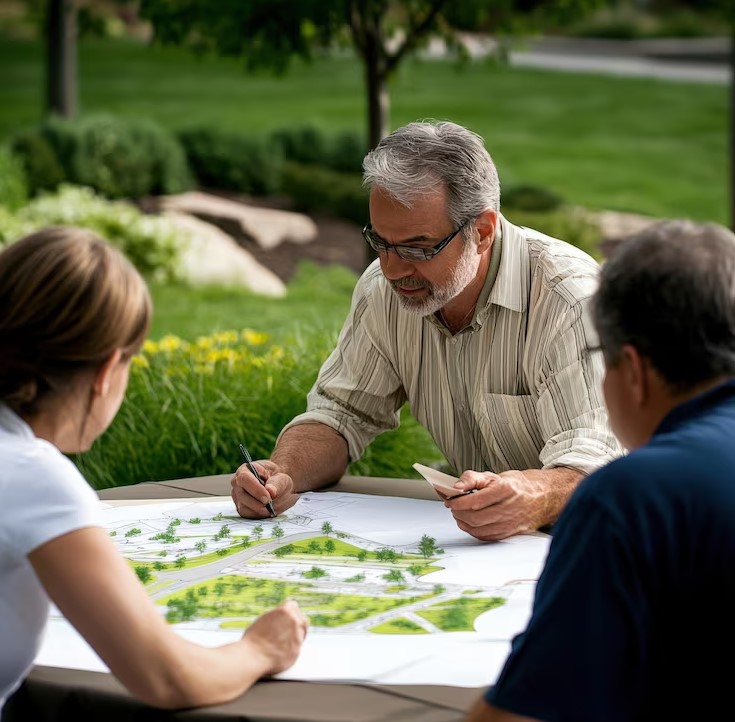
Value starts with alignment. When design and construction teams work together from the first site walk, you avoid red lines that add weeks and thousands, and you right size the work to the property’s context. On a Brentwood project last year, a 42 inch guardrail requirement triggered by a modest deck lift would have forced expensive steel. We pivoted the grading plan to hold the finished surface at 29 inches, eliminated the rail, and freed budget for lighting that made the space feel twice as generous during showings. Better function, better look, better appraised value.
Our process threads three needles at once: how the space will live, what the city will approve, and what the geology will support. In Los Angeles, soils, drainage, and wildfire overlays are not side notes. They are often the difference between a feature adding value or quietly turning into liability.
1. Paver patios that read like rooms
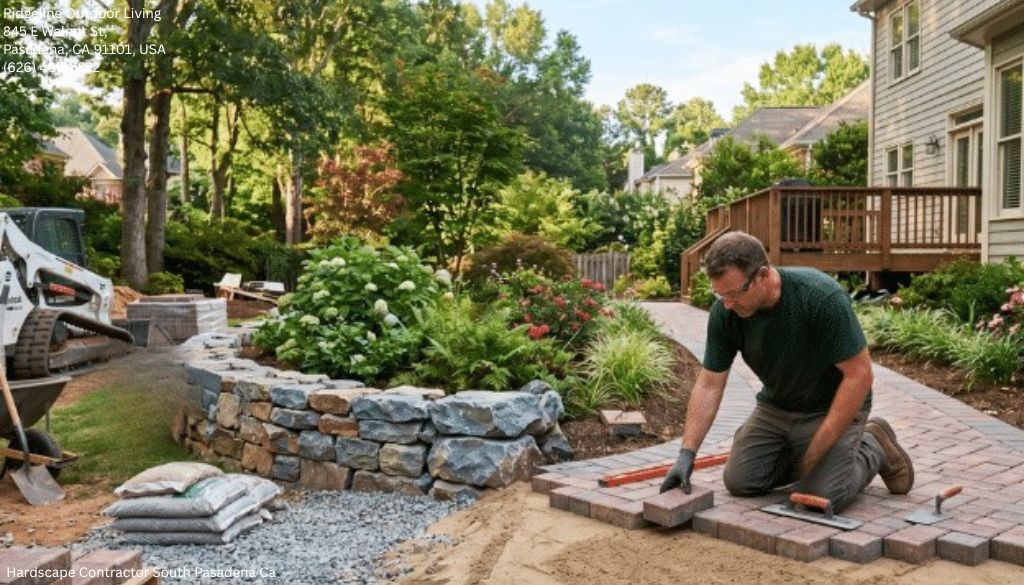
Usable square footage sells. Appraisers will not add pavers to the house’s livable square footage, but buyers absolutely assign value to a patio that lives like a room. Interlocking concrete pavers remain the most flexible, durable way to create that effect. They can float over utility trenches and minor ground movement, and unlike monolithic slabs, they can be repaired one unit at a time.
In the San Fernando Valley, a 450 square foot paver patio typically runs 25 to 45 dollars per square foot for standard patterns with a compacted base, edging, and polymeric sand. Premium formats, permeable bases, or intricate inlays can push that to 50 to 60 dollars per square foot. When integrated with drought tolerant plantings and low glare lighting, the return shows up in faster offers and higher perceived quality. Designs that mirror interior flooring tones, align joints with sightlines, and include a simple seat wall tend to photograph exceptionally well on listings.
We often hear the paver patios vs stamped concrete debate. Stamped can look strong the first year, but UV, tire scuffing, and sealer cycles demand more attention in this climate. With pavers, the color runs through the unit, edges resist cracking, and small repairs do not telegraph.
2. Outdoor kitchens that match the home’s scale
A built in grill and counter does not guarantee value. An outdoor kitchen that suits the house and the way Angelenos entertain does. The sweet spot landscaping guides is a layout that supports prep, cook, serve, and cleanup without pinballing. In Los Angeles, most outdoor kitchens we build fall between 25,000 and 95,000 dollars. Compact grill islands with storage and a low voltage lighting circuit occupy the lower end. Full L or U shapes with a 36 to 42 inch grill, refrigerator, trash, sealed dry storage, a few outlets, and a pergola for shade push upward. Add pizza ovens, ice makers, or custom steelwork and you crest six figures.
Gas, electrical, and plumbing permits drive design and cost. Running new gas often requires trenching and pressure testing. We coordinate early to avoid change orders, and we guide appliance selection toward brands with reliable local service. Our rule of thumb: choose one wow element, not five. A beautiful stone countertop with a single waterfall leg and a built in grill that hits temp consistently beats a kitchen stuffed with gadgets you will not service in two years. That combination has kept its value on every property we have revisited after resale.
3. Fire features that extend the calendar
Cooler evenings are prime selling moments. A fire pit or fireplace shifts shoulder seasons into usable time. Wood burning options run into air quality rules in parts of Los Angeles, so we spec natural gas or propane with properly sized burners, wind guards where needed, and adequate clearances from structures and plantings. Expect 3,500 to 10,000 dollars for a clean, built in gas fire pit with stone or stucco finish. Outdoor fireplaces with proper footings, flue, and masonry work generally range from 18,000 to 40,000 dollars depending on height and finish.
Placement makes or breaks value. Center a round pit within a circular or square seating geometry and keep the outside edge at least 5 feet from any drop or planter that will spill. We measure seat height off the pit cap and dial in a 12 to 14 inch heel space for comfort. The setups that win buyers are not the biggest flames, but the ones where four to six people can set down a drink, pivot in a swivel chair, and still hear each other talk. If you need inspiration, our team’s 12 backyard fire pit ideas for entertaining year round article lives on our site and outlines profiles that have tested well in Los Angeles backyards.
4. Shade structures that feel integral
A pergola or covered patio transforms noon into an invitation. The right structure upsell is simple: what would you build if shade, light control, and wind were the only goals, and how can you tie that into the home’s proportions and materials? Freestanding aluminum pergolas with integrated LED strips and motorized louvers run 18,000 to 45,000 dollars for common sizes. Timber frames with solid roofs vary widely with spans and roofing choices, often 22,000 to 60,000 dollars. Either option returns value when beams align with door headers, posts hit the rhythm of windows, and finishes echo the home’s palette.
Anecdote from Pasadena: a 16 by 20 foot louvered pergola placed as an outdoor dining room increased showing time by a full 30 minutes during an open house. Buyers lingered, then turned to the kitchen and pool. Shade led them into the rest of the property. That is value compounding.
If you are choosing between a pergola vs covered patio, think about ceiling fans, rain protection during mild storms, and whether you want filtered or full shade. Structures over 120 square feet often trigger plan review, so we front load engineering and anchorage details to keep the permit cycle tight.
5. Low voltage lighting that clarifies space
Good outdoor lighting adds perceived square footage. It flattens trip hazards, frames architecture, and lets the garden glow without glare. We avoid solar stick lights and lean on a transformer based, low voltage system with fixtures matched to application: wall wash, path, step, downlight from structure, and a few narrow spots for specimen trees. Most Los Angeles projects fall between 4,000 and 12,000 dollars depending on run length and fixture quality.
A quick rule from our field notes: aim for contrast ratio, not brightness. Step lights at 20 to 40 lumens do the job. Wall washes around 200 lumens across a 6 to 8 foot panel feel calm. Hardscape cap lights at seating walls add comfort without the stadium effect. Poor lighting design is one of the ten outdoor lighting mistakes that reduce curb appeal, and we see it derail otherwise good projects. Get the transformer sized with headroom, run quality wire, and specify fixtures you can source in five years.
6. Driveways that set the tone
Curb appeal begins at the curb. Driveways in Los Angeles can be a value engine when they move beyond commodity concrete. Pavers resist cracking from tree roots and settling, allow for modular repair after utility work, and open patterns that read as custom. We routinely see offers arrive more confidently on listings where the approach looks tight, clean, and intentional.
Per square foot, standard broom finished concrete is often 9 to 14 dollars, colored and stamped 12 to 18, and interlocking pavers 16 to 28 depending on base depth, access, and edge constraints. We do not push pavers in every case. On long runs where budget drives and soils are stable, concrete with well placed control joints and a high quality finish can look excellent. If you are managing stormwater, a permeable paver section over an open graded base often earns its keep.
Here is a compact comparison we use with clients.
- Pavers: modular repair, color through unit, higher upfront, excellent curb appeal. Stamped concrete: lower initial cost, pattern can date, needs reseal every 2 to 3 years in high sun. Broom concrete: most economical, relies on joint layout for look, cracks telegraph but are expected. Gravel with resin binder: permeable, modern look, not ideal for steep slopes, can track into garage. Exposed aggregate: durable, mid cost, can get slippery if sealer is too glossy.
Integrate the driveway into the landscape. A simple paver apron, a border that repeats a patio material, or a statement strip drain with a steel grate solves function and raises perceived craftsmanship. Our 15 driveway paving ideas to improve curb appeal article goes deeper if you need pattern inspiration suited to Southern California homes.
7. Retaining walls that create flat, usable space
On hillside properties, value accrues to the flattest, safest, best drained portions of the lot. Retaining walls do not simply hold soil. They generate rooms you could not otherwise have. Engineered segmental block, cast in place concrete, and masonry with proper reinforcement are the typical palette. Depending on height, footing complexity, and finishes, costs often range from 80 to 150 dollars per square foot of face in Los Angeles. Taller walls need geogrid, drains, and special inspections. Most require permits and, if over 4 feet in height measured from bottom of footing, engineering sign off.
We rebuilt a failing timber wall in Silver Lake with a terraced pair of segmental walls, added stair treads and a railing, and captured a 14 by 28 foot terrace that now houses a small play lawn and seating. The home appraised higher, but the real gain came during showings. What had been a steep, untouchable slope became an outdoor extension of the living room. If you own hillside, read our retaining walls for hillside properties primer and the complete guide to retaining walls in Los Angeles for timelines and permitting.
Do not neglect drainage. French drains behind walls and at slope toes move water away from structures and prevent hydrostatic pressure. They are invisible, unglamorous, and vital. A compromised wall saps value faster than any other hardscape failure.
8. Water features with recirculation and restraint
Water remains a luxury signal in Los Angeles when it is efficient. A well designed basin, rill, or sheet fall recirculates, uses a dark interior to minimize evaporation, and avoids overspray. We route make up lines with backflow prevention and specify variable speed pumps to match flow to need. Typical budgets range widely: a compact basalt column trio might fall between 6,000 and 12,000 dollars installed. Custom concrete or stone basins with integrated weirs often land between 18,000 and 50,000.
Business Name: Ridgeline Outdoor Living
Address: 845 E Walnut St, Pasadena, CA 91101, United States
Phone: (626) 469-5822
Ridgeline Outdoor Living
Ridgeline Outdoor Living is a Pasadena-based landscape design-build company serving Greater Los Angeles with custom outdoor living, hardscape, and drought-tolerant landscape solutions. The company specializes in patios, retaining walls, outdoor kitchens, drainage, hillside projects, and turnkey landscape construction, handling projects from design and permitting through final build and warranty.
845 E Walnut St, Pasadena, CA 91101, USA
Business Hours:
- Monday – Saturday: 8:00 AM – 6:00 PM
- Sunday: Closed
Follow Us:
We prefer low profile designs that do not dominate. A 72 inch long sheet fall tucked into a plastered wall beside a pool, or a linear trough along a dining patio, reads as refined. Prospective buyers notice sound quality. Thin films that chatter and systems that splash lose points. With a modern landscape, pair water with fire in separate axes to avoid steam and maintenance headaches. For ideas, scan our 12 Pasadena landscapers water feature ideas for luxury Los Angeles backyards, which focus on low water use and high design impact.
9. Artificial turf where it solves problems
Artificial turf is not a cure all, but in shaded yards, narrow side returns, pet runs, or areas where irrigation restrictions make real grass untenable, it can add utility. High quality turf with heat resistant fibers, proper infill, and a compacted, well drained base runs 12 to 20 dollars per square foot in Los Angeles. The best installations wrap edges tight to hardscape, include a deodorizing infill for pets, and ventilate to avoid heat islands.
We balance this against sod when buyers crave a natural lawn. In open front yards with healthy sun and good soil, a small real grass plane can soften and sell. Our take on artificial turf vs sod weighs aesthetics, heat, play, and long term costs. Do not install turf wall to wall. Break it with planting beds and large format pavers to avoid the mini golf look. Old installations with shiny, flat fibers read as dated and can drag value.
10. Drainage that quietly protects the asset
Drainage rarely shows up in listing photos. It shows up in appraisals and inspections. French drains, area drains, properly sized downspout tie ins, and swales that move water away from the foundation keep the hardscape stable and the home healthy. Expect 4,000 to 20,000 dollars for a drainage scope depending on trench lengths, hardscape crossings, and tie ins to legal discharge points. We include cleanouts and camera accessible ports so future owners can maintain systems without guesswork.
The trick is integrating drainage during design. Slot drains at the foot of slopes, specs that match hardscape finish elevations, and attention to offsite flow keep water in its lane. We have a complete walkthrough on French drains and how to prevent yard flooding with proper drainage solutions, because this is the least glamorous, most valuable line item in many projects.
The compounding effect of integrated features
Hardscape features add more value in concert than they do alone. A paver patio connected to an outdoor kitchen beneath a pergola, lit with a layered low voltage plan, and anchored by a modest fire feature tells a coherent story: this house lives bigger. Tie in a reworked driveway that cues the same materials, and you have a through line buyers feel even if they cannot articulate it. As a design build firm, we weave those threads early. We also edit. Not every yard needs all ten features.
A Woodland Hills ranch we completed illustrates the point. The scope was lean: 380 square feet of pavers aligned with the living room doors, a 9 foot grill island with a honed limestone top, a four post aluminum pergola with a fan and integrated lighting, and a six burner linear fire pit. We resolved downspouts with two area drains piped to the front curb and refreshed the driveway with a simple paver border. The landscape was drought tolerant, lawn free, and honest. The home sold within two weeks at a premium for the neighborhood. Nothing was exotic. Everything connected logically.
The Los Angeles lens: codes, microclimates, and materials
Permitting often shapes what returns value. In brush zones, ember resistant details govern hardscape near structures and dictate plant choices. In hillside areas, grading, walls, and guardrails trigger plan review and inspections. Pool and spa remodels now face Title 24 energy considerations. We design with these in mind from the first concept so the final product feels inevitable, not compromised.
Material choices must respect heat and glare. Light pavers around pools can glare uncomfortably at noon. Dark stone holds heat into the evening. We test samples on site, look at them at 10 am and 3 pm, and study how they feel under bare feet. Concrete can craze or spall if poured during a Santa Ana wind event and not cured properly. We plan pour schedules to avoid that headache. Sealing frequency affects long term looks. A client enamored with a glossy sealed look may not love the maintenance cycle. That is a conversation up front.
Water wise design is table stakes. Our ultimate guide to drought tolerant landscaping in Los Angeles and plant palette recommendations remain our most shared resources for good reason. Buyers have absorbed the message. Efficient irrigation, mulch, and smart controllers with flow sensors earn quiet points during inspections.
A brief checklist for prioritizing value on your property
- Identify the bottleneck: shade, flat space, privacy, or circulation. Solve that first. Align with the home’s architecture. Repeat materials and proportions, avoid one off statements. Fix drainage and grading before finishes. Protecting the asset is value. Choose one feature to hero and keep the rest calm. Overstuffed yards feel smaller. Budget for lighting. Night use doubles perceived square footage.
Cost, ROI, and the role of restraint
We are frequently asked what hardscape construction costs in Los Angeles, and how much of that comes back in resale. The honest answer is ranges and context. Straight line projects with good access and simple finishes land on the low end. Tight access, export and import of soils, steel, and premium stone push up. As a rule, we see properly scaled outdoor living programs return strongly when they solve day to day problems and photograph beautifully.
Outdoor kitchens sized to the house have performed well. Driveway and entry sequences that reduce visual noise out front are reliable. Retaining walls that create a single, generous terrace on a slope outperform a scattering of small pads. Drainage returns quietly by preventing negative inspection notes. Overreaches are easy to spot: five different stone types, massive water features in small yards, or fire bowls crammed near property lines. Restraint is an asset. Timeless beats novel in resale math.
If you want to dive into specifics, our guides on how much an outdoor kitchen costs in Los Angeles, paver patios vs stamped concrete, water wise plants for Los Angeles, and outdoor lighting ideas for Los Angeles landscapes unpack choices in detail. For hillside owners, start with the complete guide to hillside landscaping in Los Angeles and how retaining walls prevent erosion on hillside properties. Each tackles a common edge case in this region.
What design build looks like when it goes right
The best projects feel inevitable at the end. The patio drains discreetly. The kitchen functions without thinking. The shade lands where it should at noon in August. The driveway lines pull you to the door. The details feel simple because they were hard in the plans.
We begin with a site walk and a conversation about how you live. We pull property records, check overlays, and order soils when the site demands it. Concepts arrive fast, then slow down for the right reasons as we price, refine, and value engineer. Our crews stage intelligently. Materials arrive ready. Inspections pass without drama. Punch lists are short. The space opens, and the home lists, lives, or hosts with a new rhythm. That is what this work is for.
Hardscape is the skeleton that holds an outdoor life. When that skeleton is sound, the plantings, furniture, and daily rituals slide into place. When the skeleton is clumsy, nothing sits right. If you want a partner that has installed these features across budgets and neighborhoods, and knows when to advocate for less rather than more, Ridgeline Outdoor Living is set up for exactly that conversation.