Luxury outside starts with bones that last. In Southern California, that means hardscape built for heat, salt air, Santa Ana winds, hillside soils, and water restrictions. At Ridgeline Outdoor Living, we design and build outdoor spaces that feel indulgent yet work under real-world conditions. The ideas below come straight from projects across Los Angeles, Orange County, and the coastal canyons, informed by what holds up and what clients use every day.
A quick word on context, climate, and codes
Before shapes and finishes, we think about performance. Southern California’s clay-heavy and decomposed granite soils expand and contract with moisture. Intense sun bakes surfaces, then cool evenings bring thermal movement. Hillsides require drainage and, often, engineering. Fire codes dictate setbacks around open flames. Water budgets reward permeable surfaces, rain capture, and drought-tolerant planting. The right details prevent headaches later: base prep to avoid settlement, expansion joints to control cracking, and subdrains to move water. These are not extras. They are the foundation of luxury that persists.
1. Permeable paver motor courts that elevate the arrival
Driveways make the first statement. Permeable interlocking concrete pavers create a high-end motor court that also meets stormwater goals. We use a layered, open-graded base so water infiltrates rather than sheets to the street. Color-blended pavers laid in a herringbone or ashlar pattern resist tire scuffing and hide dust between cleanings. On an Encino remodel, a 3,000 square foot motor court in charcoal and limestone tones cut runoff nearly to zero and lifted curb appeal far more than resurfacing ever could. If you are weighing options, Paver Patios vs Stamped Concrete often comes up. In driveways, pavers win on crack resistance and long-term serviceability, since individual units can be lifted and reset if needed.
2. Large-format porcelain patios that stay cool and clean
Porcelain pavers have surged for good reason. The slabs are dimensionally precise, stain resistant, and easier to keep bright than many stones. In Los Angeles backyards where outdoor living happens most days of the week, a 24 by 48 inch porcelain set on a permeable pedestal system gives a sleek, shadow-lined terrace without the heaviness of poured concrete. Choose lighter tones to reduce heat gain. Around coastal homes, porcelain stands up to salt exposure better than some calcitic stones and does not require the frequent sealing that travertine does. Joints can be tighter, which makes fire features and furniture sit square and stable.
3. An outdoor kitchen planned like an indoor one
A luxury outdoor kitchen does not mean an oversize grill dropped into a block. It means work zones, circulation, and durable finishes that shrug off sun and smoke. At minimum, plan for a grill, a 24 to 36 inch prep zone, cold storage, storage for tools, and a place to land a platter. Add a side burner or flat-top for weekday meals, and you will use the kitchen far more. We favor masonry shells wrapped in stucco with porcelain or sintered stone counters that resist heat and stains. For clients who entertain, a 36 to 42 inch grill with a low-profile hood keeps sight lines open to a pool or view.
Costs vary, but a built-in kitchen with grill, refrigeration, burner, sink, lighting, and stone counters often sits in the mid five figures. If you are researching How Much Does an Outdoor Kitchen Cost in Los Angeles, remember that utilities drive numbers. A gas run across a hardscape, a new subpanel for appliances, and drainage for a sink can add several thousand dollars, yet they are what make the kitchen feel complete.
4. Linear fire features that pull guests together
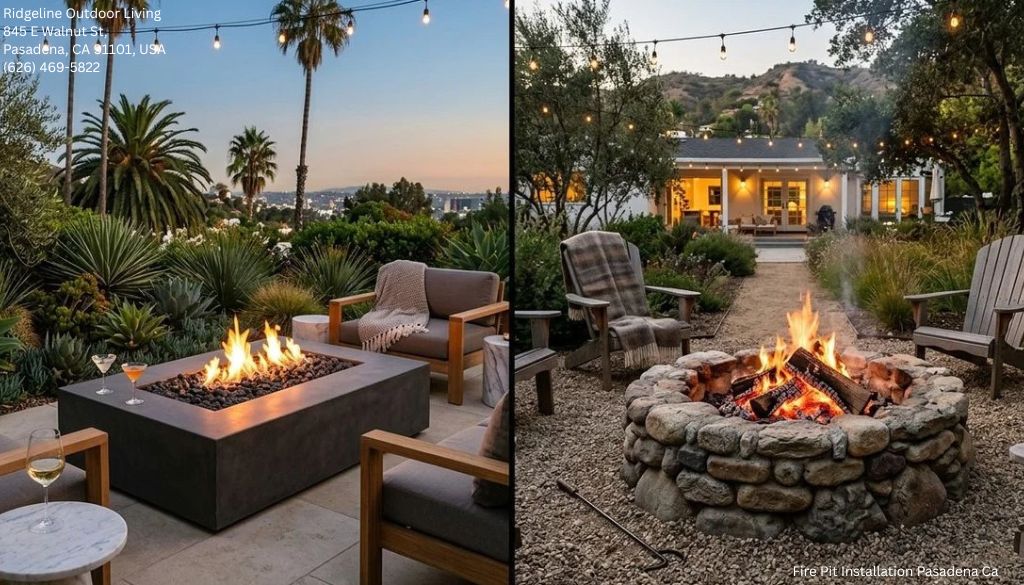
Nights cool down even in August. A slim, linear fire pit anchors conversation without blocking views. We Los Angeles landscape companies typically design 72 to 120 inch runs, set at coffee-table height, with an 8 to 12 inch wind guard when breezes pick up. A narrow trough of fire glass or lava rock keeps heat focused. In hillside neighborhoods, setbacks and spark arrestors matter. Natural gas provides consistency and lower maintenance than propane. When a client in the Hollywood Hills asked for a sculptural focal point, we set a long flame behind a low basalt boulder wall and wrapped the seating with porcelain, so cushions stay far enough from embers.
5. Water that whispers, not roars
A sheet-fall water wall or a narrow rill brings life without feeling wasteful. The goal is sound and movement, not evaporation. We use variable-speed pumps, timers, and auto-fills tied to smart controllers. Dark stone or plaster inside the water feature reduces algae visibility. In shaded courtyards, a shallow runnel cools the space and doubles as a design axis. If you are browsing 12 Water Feature Ideas for Luxury Los Angeles Backyards, filter for recirculating systems, avoid atomizing nozzles that lose water to wind, and plan a maintenance hatch where technicians can reach mechanicals without breaking tile.
6. Low walls that double as seating and lighting
Built-in seating solves the chair clutter that follows every party. We pour or stack block walls 18 to 20 inches high with a 12 to 16 inch cap, then tuck dimmable LED strips under the cap to float the mass at night. Integrate planters at the corners for rhythm and scale. Around tight patios, a single L-shaped bench adds 10 or more seats without the footprint of standalone furniture. Tie the wall into steps or a pergola post to make it feel part of the architecture. It is one of the 10 Hardscaping Features That Increase Property Value, because it extends usable space and photographs beautifully for a listing.
7. Terraces that tame slopes and protect property
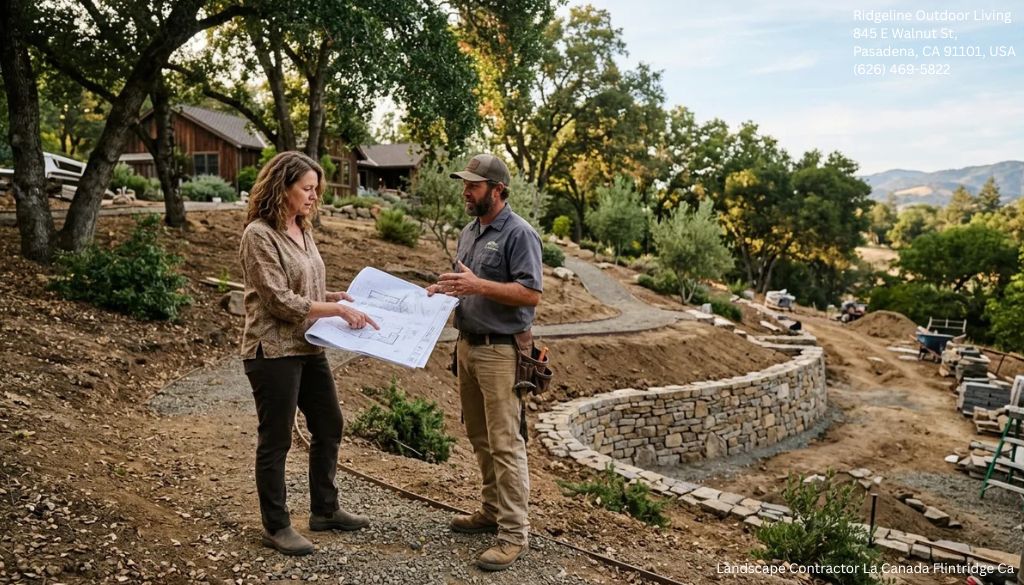
Hillside living comes with views and engineering. Retaining walls, steps, and terraces turn steep yards into outdoor rooms. We consider global stability, not just the first wall. That means soil reports when required, perforated drains, proper backfill, and weep holes or behind-wall drainage to relieve hydrostatic pressure. On a Pasadena slope, stacked terraces with stone-faced CMU walls created a dining perch, a fire lounge, and a small lawn, each 3 to 5 feet up from the last. If you are studying Retaining Walls for Hillside Properties: What Homeowners Need to Know, factor in permits and inspections. Good walls disappear into the experience. Bad ones crack and lean in two winters.
8. Floating steps that turn circulation into a feature
Monolithic or “floating” treads across gravel or low plantings create drama without mass. We cast 48 inch wide treads, 6 inches thick, with a sand-blasted finish for grip. Between treads, a bed of black Mexican pebbles or a low mat of dymondia reads refined and needs minimal water. LED step lights set into risers make night movement safe. On slopes, we pair floating treads with handrails that meet code but keep a light visual touch in powder-coated steel. This detail works equally at a modern home in Silver Lake and a more traditional house in Brentwood, provided the finish ties back to existing materials.
9. Pool decks that stay comfortable and slip resistant
Pool hardscape must balance heat, slip, and maintenance. Travertine pavers stay relatively cool, but in areas with saltwater systems they can pit and need vigilant sealing. Porcelain pavers offer a cleaner, lower maintenance surface and come with textured finishes that grip. Composite or hardwood decks are a design move too, though they warm up on hot days. We often mix materials: porcelain as a primary deck, with ipe or thermally modified ash for a lounge platform. Add a 12 to 18 inch Baja shelf with bubbler for kids or chaise loungers. Coordinate coping with the deck so you do not have three textures vying for attention. For more on shaping the space around a pool, Pool Landscaping Ideas for Los Angeles Homes gives a sense of how planting, lighting, and deck geometry interact.
10. Pergolas and louvered roofs that earn their footprint
Shade makes a yard usable from May through October. A timber pergola with a vine is timeless, but in low humidity it can still feel bright and hot at midday. Motorized louvered roofs, powder-coated in muted tones, let you tune shade and airflow. We integrate heaters for winter dinners and ceiling fans for August. If you are weighing Pergolas vs Covered Patios: Which Is Right for Your Home, think about rain. A simple pergola does not keep you dry unless you add polycarbonate or a rain-rated louver system. Covered patios tie to the architecture and require careful detailing at the house connection and footings. Either way, plan lighting zones and power for speakers now, not later.
11. Courtyard entries with Mediterranean poise
Many Southern California homes have underused front yards. A walled courtyard creates a private outdoor room before you even hit the front door, perfect for morning coffee or an evening glass of wine. We like a geometric paving field in limestone or cement tile, a low water bowl or bubbler, and layered seating ledges with aromatic planting. It improves security and softens street noise. For clients who entertain, the courtyard becomes the first act, with a path that leads guests through a planted portal to the backyard. This is one of the 10 Ways to Create a Resort-Style Backyard at Home that surprises people with how much they use it.
12. Lighting that sets scenes rather than just turning on
Outdoor lighting can raise or drop curb appeal in a single switch. Start with path and step safety, then add wall washes for texture, downlights from trees for softness, and subtle highlight on key features. Avoid the common 10 Outdoor Lighting Mistakes That Reduce Curb Appeal, such as over-lighting or glare at eye level. We specify warm color temperatures and dimming, and we separate zones so a late dinner does not light the whole yard. In hillside neighborhoods, be a good neighbor. Aim light down, shield beams, and let the night sky remain dark.
13. High-performance turf and game courts for low-water fun
Many clients still want a patch of green, but real grass struggles with shade, dogs, and limited irrigation. Artificial Turf vs Sod comes down to use and feel. A high-quality polyethylene turf with antimicrobial backing and a mix of fiber shapes looks natural and stands up to traffic. We shape subgrades for drainage, use a nailer board to control edges, and specify a cooling infill to temper summer heat. For golfers, a 300 to 500 square foot putting green with two cups and chipping fringe turns a side yard into a favorite spot. Bocce courts and pickleball lines pair well with decomposed granite or acrylic landscaping guides surfacing and invite daily use.
14. Stabilized decomposed granite that looks natural but holds up
Decomposed granite, or DG, is a quintessential California look. On its own, it can rut and track. Add a stabilized binder, and you get a firm, ADA-friendly surface that still reads as natural. We use it for dining terraces under trees where roots are near the surface, for garden paths that wind through drought-tolerant planting, and as a warm counterpoint to crisp porcelain. The key is solid edging, proper compaction in lifts, and a crown to shed water. Keep leaf blowers on low to avoid scouring fines.
15. Discreet drainage that prevents damage
Drainage rarely makes the mood board, but it protects every other investment. French Drains Explained is not glamorous, yet a rock-filled trench with a perforated pipe, wrapped in fabric, and sloped to daylight quietly moves subsurface water away from slabs and walls. At the surface, slot drains along the back of a pool or a linear drain at a garage threshold disappear after installation but catch the first-flush rain. Where a neighbor’s yard sheds into yours, a berm and swale can redirect water into a planted basin. Smart controls tie rain sensors to irrigation and water features so systems rest during storms. If you have pooling after storms, 10 Signs Your Yard Needs Better Drainage include standing water that lingers more than 48 hours, mildew smells, and efflorescence at wall bases.
Material palettes that match Southern California light
The region’s strong sun rewards nuanced neutrals. We often mix cool gray porcelain with warm limestone gravel, blackened steel accents, and soft white stucco. In coastal zones, favor materials that resist salt and maintain color, such as porcelain, ipe, basalt, and properly sealed concrete. Inland, watch surface temperatures. Pale travertine and light porcelain reduce burn risk around pools. The Best Hardscape Materials for Southern California Landscapes are the ones that balance beauty, maintenance, and performance on your specific site.
Planting that complements hardscape and saves water
Hardscape does the heavy lifting, but planting gives relief and scale. The Best Drought-Tolerant Plants for Los Angeles Yards, such as westringia, manzanita, salvia, and olive, pair remarkably well with stone and steel. They need less water once established, handle heat, and provide seasonal texture. Groundcovers like dymondia, thyme, or blue fescue soften edges and joints without creating a maintenance burden. If you are mapping The Ultimate Guide to Drought-Tolerant Landscaping in Los Angeles, remember that irrigation design matters as much as species selection. Drip lines under mulch, matched-precipitation rotors, and weather-based controllers make the whole system smarter and leaner.
What premium hardscape really costs
Budgets follow complexity and access. Hillside work, long utility runs, engineering, and difficult demo push numbers. Material choice sets the baseline. Below are typical Los Angeles ranges we see for well-executed projects, exclusive of design, permits, and unusual site conditions.
- Outdoor kitchen with grill, refrigeration, burner, sink, counters, and utilities: roughly 35,000 to 85,000 Permeable paver driveway, 1,000 to 2,000 square feet: roughly 30,000 to 90,000 Linear fire feature, 6 to 10 feet with seating and gas: roughly 8,000 to 25,000 Louvered pergola, motorized with lighting and heaters: roughly 35,000 to 90,000 Water wall or rill with recirculation and lighting: roughly 15,000 to 60,000
These are not ceiling numbers. Complex sites or premium imports can exceed them. If you want a deeper breakdown, What Does Hardscape Construction Cost in Los Angeles gives a broader picture. The value question is as important as the cost. 12 Outdoor Living Features That Add the Most Value tend to be the ones that photograph well, extend square footage psychologically, and solve a daily problem, such as shade or circulation.
Real-use planning: how people actually live outside
The best yard is not the most expensive one. It is the one you walk into on a Tuesday night without thinking, flip on two zones of light, and cook a quick dinner without hunting for tongs. We sketch traffic patterns before we pick finishes. Distance from the kitchen door to the grill should be short. The path from the pool to a bathroom should be lit and non-slip. Glare on a TV under a pergola ruins a game. Consider neighbors, wind, and sun. On a Santa Monica lot, prevailing breezes made one corner persistently cool, so we wrapped that seating area with a low glass wind screen and specified radiant heaters under the pergola. The client uses it year-round. That is a better result than a bigger patio seldom used.
Pavers, concrete, or stone: choosing with eyes open
We field the Paver Patios vs Stamped Concrete question weekly. Pavers cost more upfront than broom-finished concrete, yet their sectional nature tolerates movement and repairs. Stamped concrete offers pattern at a lower cost than stone, but joints are cosmetic rather than structural. Natural stone, from limestone to basalt, gives unmatched character and patina, but not all stones play nicely with salt or pool chemicals. Mix when it serves the design. A porcelain main field with a natural stone band reads elegant and controls costs. The Most Popular Driveway Materials in Los Angeles remain concrete and pavers, with stone as a splurge for aprons and accents.
Business Name: Ridgeline Outdoor Living
Address: 845 E Walnut St, Pasadena, CA 91101, United States
Phone: (626) 469-5822
Ridgeline Outdoor Living
Ridgeline Outdoor Living is a Pasadena-based landscape design-build company serving Greater Los Angeles with custom outdoor living, hardscape, and drought-tolerant landscape solutions. The company specializes in patios, retaining walls, outdoor kitchens, drainage, hillside projects, and turnkey landscape construction, handling projects from design and permitting through final build and warranty.
845 E Walnut St, Pasadena, CA 91101, USA
Business Hours:
- Monday – Saturday: 8:00 AM – 6:00 PM
- Sunday: Closed
Follow Us:
Entertainment features that earn their keep
If you host often, consider a few compact upgrades. A small beverage center or undercounter ice maker near the dining table saves trips inside. A pull-out trash and recycling drawer keeps surfaces clean. A recessed niche by the fire pit hides a propane tank if gas lines are not feasible. For families, a sunken trampoline surrounded by DG, a small splash pad on a return line from the pool, or a projector wall under a pergola checks the 12 Backyard Entertainment Features Every Homeowner Should Consider without cluttering the yard.
Drainage and erosion on hillsides
How to Solve Common Yard Drainage Problems on a slope comes down to patience and redundancy. We break water into manageable flows: surface swales, permeable paving to slow it down, and subdrains to intercept what you cannot see. At the base of a retaining wall, weep holes and gravel backfill keep pressure off. Where water exits, armor the outfall with rock so it does not dig a channel. How Retaining Walls Prevent Erosion on Hillside Properties is not magic, it is physics plus maintenance. Clear leaves seasonally. Walk the site after the first storm to see how it behaves, then adjust.
Construction sequence that preserves finishes
Heavy work first, finishes last. Sounds obvious until a skid steer crosses a brand-new porcelain patio. We plan staging, protection, and access so finished surfaces stay pristine. Sealer goes on stone after grouting cures fully. Irrigation and low voltage conduits run before base rock, so you are not trenching through compacted layers. Where a project phases over years, we lay conduit and sleeves under future areas now to avoid rework later. These small moves cost little and save a lot.
A simple pre-construction checklist
Before you sign a contract, confirm the essentials.
- Survey and property lines verified, including setback requirements Drainage plan with elevations, inverts, and discharge locations Structural details for any walls over local height thresholds Utility scope documented, including gas, electrical, and water ties Lighting zones and control locations marked on the plan
If you are interviewing firms, 10 Questions to Ask Before Hiring a Landscape Contractor helps separate estimates from true proposals. Design-build teams, like ours, keep design intent and construction realities in one conversation. How Ridgeline Outdoor Living Approaches Design-Build Landscaping is simple: sleeves for future phases, details that simplify maintenance, and honest talk about priorities and phasing.
Maintenance that keeps luxury looking fresh
Hardscape does not ask much, but it asks consistently. Sweep and rinse regularly. Re-seal porous stones on a schedule appropriate to sun and traffic, often every 1 to 3 years. Check polymeric sand joints annually, especially after pressure washing. Clean drainage inlets after storms. Replace landscape light gaskets before they fail. These habits cost little and preserve the photographs that made you want the upgrades in the first place.
Bringing it all together
Luxury outdoors in Southern California is a conversation between architecture, site, and climate. It layers permeable pavers that protect the watershed with porcelain that stays cool underfoot. It adds a kitchen designed for daily meals, a fire feature set where wind will not chase you away, and lighting that invites you out for one more hour. It respects slopes and neighbors. It courts shade in July and holds warmth in January. And it is built to handle the flash storm as well as the long dry spell.
If you are starting a backyard transformation and weighing 10 Outdoor Living Ideas Transforming Los Angeles Backyards, give each idea a job. Shade, circulation, water management, cooking, gathering, or play. Then let material choices, layouts, and details fall in line. That is how we design stunning outdoor spaces that clients use every week, not just when guests are coming over.