Los Angeles landscapes live in extremes. We cure cracked soil through months of sun, then watch a single Pacific storm turn walkways into creeks. On flat Valley lots and hillside properties alike, water finds the low point, tests every slope, and reveals every construction shortcut. At Ridgeline Outdoor Living, we walk properties after the first meaningful rain each winter. The patterns are consistent: ponding along the house, boggy lawns, garage thresholds taking on water, and slopes that shed soil like talc. The good news is that drainage is solvable when you read the site correctly and combine the right fixes.
This guide distills what we see across Los Angeles neighborhoods, from Encino to Pasadena to the South Bay. It explains why your yard holds water, which remedies actually work here, and how to tie drainage into the larger outdoor living plan without blowing your budget or your curb appeal.
Why LA yards struggle with water
Several regional traits stack the deck. Our native soils often include dense clays that swell when wet and seal at the surface, reducing infiltration. Many infill lots sit just a few inches higher than the street, which limits where we can send water. Older homes frequently have patios or walkways poured dead-level against stucco, so rainfall hugs the wall until it finds a low crack. Add the drought-rain-drought cycle, and you get soil that repels water after long dry spells, then turns slick and saturated when storms arrive. If you live on or below a slope, gravity adds urgency.
We also build quickly in Los Angeles. Spec homes and piecemeal additions sometimes ignore the simple rule that finished grade must fall away from structures. A slab poured an inch too high or a planter bed stacked against siding can create chronic moisture at the foundation. Landscape drainage fixes begin with these fundamentals, not with gadgets.
Reading the site like a builder
Before we touch a shovel, we mark three lines: the high point, the low point, and the safe discharge point. A laser level tells us whether you have a minimum 2 percent slope away from the house for at least 5 feet. If not, we adjust grade or hardscape to create it. We also probe soil texture with an auger to see if we’re dealing with clay, decomposed granite, or a layered profile from past construction. If a test hole holds water overnight, we plan solutions that move water horizontally rather than relying on infiltration alone.
During design, we tie these findings into your wishlist. If you’re considering a new entertaining space, the drainage plan informs where the outdoor kitchen lands, how we set paver elevations, and which plants can handle occasional sheet flow. An elegant yard avoids hidden water traps under beautiful surfaces.
The most common problems we fix
Water against foundations. We see this on homes with flat or reverse slopes at the perimeter. Stucco wicks moisture, then you get staining and that musty smell in the crawlspace. Fixes range from re-grading the first 5 feet to adding a paved border pitched away from the house. Where grade can’t move, a perimeter French drain paired with waterproofing often solves the issue.
Ponding lawns. Lawns set on clay tend to hold water even with aeration. Re-leveling and installing a sub-surface drain grid, then topping with a sandy amended soil, restores playability. For homeowners shifting to drought-tolerant landscaping, we replace those lawn bowls with shallow rain gardens and a discreet collector system that moves overflow.
Soggy planters and root rot. Irrigation overspray and impermeable borders trap water. We notch planters for weep points, swap solid borders for permeable edges, and incorporate biofiltration soil blends. Choosing the best drought-tolerant plants for Los Angeles yards also helps, since many Mediterranean species dislike wet feet.
Driveways that flood garages. A common scenario involves a driveway that slopes toward the garage with no trench drain at the threshold. We replace or add a channel drain with adequate capacity, tie it to solid pipe, and route it to an approved discharge. When replanning the front yard, we also consider 15 driveway paving ideas to improve curb appeal that integrate permeable bands or swales.
Erosion on slopes. Even a modest hillside can slough during back-to-back storms. The complete guide to retaining walls in Los Angeles would start with geotechnical input for tall walls, but for garden-scale slopes, we often stabilize with terraced planters, rock swales, and subsurface drains behind any new wall. Retaining walls for hillside properties are not just decorative. They must relieve hydrostatic pressure, or they eventually lean.
Hardscapes that trap water. Concrete patios poured flat, paver systems without permeable joints, and stepping-stone pathways bedded in dense mortar often create puddles. We correct pitch, rebed pavers on open-graded aggregate, and add discreet strip drains where architecture forces a zero-slope aesthetic.
French drains explained the way we build them
The phrase French drain gets used loosely. In our work, a French drain is a trench that captures subsurface water, wrapped in a filter fabric, filled with angular aggregate, and outfitted with a perforated pipe that slopes to daylight or a sump. The trench typically measures 12 to 18 Los Angeles commercial landscaping inches wide and 16 to 24 inches deep for residential yards. We use 4-inch perforated SDR-35 or ASTM corrugated pipe depending on load and cleanout needs. The pipe sits in the lower third of the trench, surrounded by ¾-inch gravel, and we top it with a few inches of soil and mulch or with a decorative gravel band.
Two details matter in Los Angeles soils. First, we use a non-woven geotextile wrap to prevent clay fines from migrating into the rock bed. Second, we maintain a consistent fall of at least 1 percent to keep water moving, even if that requires stepping down the trench in deeper sections. Where the outlet can’t daylight to a curb, we add a small basin and a robust sump pump rated for outdoor use, on a protected circuit with GFCI. We also include cleanouts at key bends, because roots happen.
Don’t forget surface drainage
Subsurface systems help, but surface water is the bully in a storm. We collect it with area drains in low spots and linear trench drains along thresholds and patio edges. Grates must be easy to lift for maintenance, and basins need sediment sumps you can vacuum out after the season’s first storm. The best hardscape materials for Southern California landscapes include modular trench drains that blend with pavers and concrete, so function doesn’t fight your design.
We avoid the all-too-common mistake of installing too few inlets. One 9-inch basin every 600 to 800 square feet of contributing hardscape is a practical baseline, adjusted for slope and regional rainfall intensity. On long runs, we upsize to 6-inch solid pipe to prevent bottlenecks. At transitions, we use sweep fittings to reduce turbulence and clogging.
Where the water goes matters most
Sending water to your neighbor’s yard is not an option. Los Angeles County and many cities require that you manage stormwater onsite or discharge to an approved point, typically the street. Curb cores require a permit and often a small catch box behind the sidewalk. On large lots, we sometimes build dry wells, but heavy clay limits percolation. In those cases, a hybrid approach works best: slow the flow with planting and permeable surfaces, then convey the rest to the curb under permit.
We also coordinate with the house. Downspouts should tie into the drain network, not splash onto walkways or beds. We use downspout boots with cleanouts and leaf separators to keep the mainline clear. If you have an outdoor kitchen or covered patio in the plan, we integrate its roof drainage early, so you don’t end up jackhammering new concrete to add a pipe.
When grading beats gadgets
Sometimes the cheapest, most reliable fix is a shovel and a string line. If the first 5 feet around the house lacks a 2 percent fall, we regrade before we install any drains. That can mean removing a flower bed that sits above slab height or shaving an inch or two from a settled pathway. On patios, we remodel one or two slabs with landscaping guides saw cuts and repours to correct pitch. For paver patios vs stamped concrete, pavers give us more flexibility to fine-tune slopes, which is one reason many homeowners choose them when drainage is a concern.
In backyards where you want grass underfoot without the mud, artificial turf installation solves both water and maintenance, provided we build the base out of open-graded aggregate. Turf needs an escape path for water through the base to a collector drain. We edge turf with permeable restraints and integrate catch basins at the low sides. When comparing artificial turf vs sod for Los Angeles homes, turf wins on drainage control if you entertain frequently in winter.
Landscapes that help themselves
A well-planned yard can move water quietly and productively. We sculpt shallow swales that double as pathways after storms, fill them with pebble or low grasses, and let them lead water to a small rain garden. Bioswales slow runoff, filter debris, and ease the burden on your hard drains. In a Mediterranean palette, we choose deep-rooted grasses, manzanita, and salvias that stabilize soil and tolerate brief wet periods. The ultimate guide to drought-tolerant landscaping in Los Angeles intersects with drainage more than people think: the right soils, mulches, and plant spacing improve infiltration without creating mosquito nurseries.
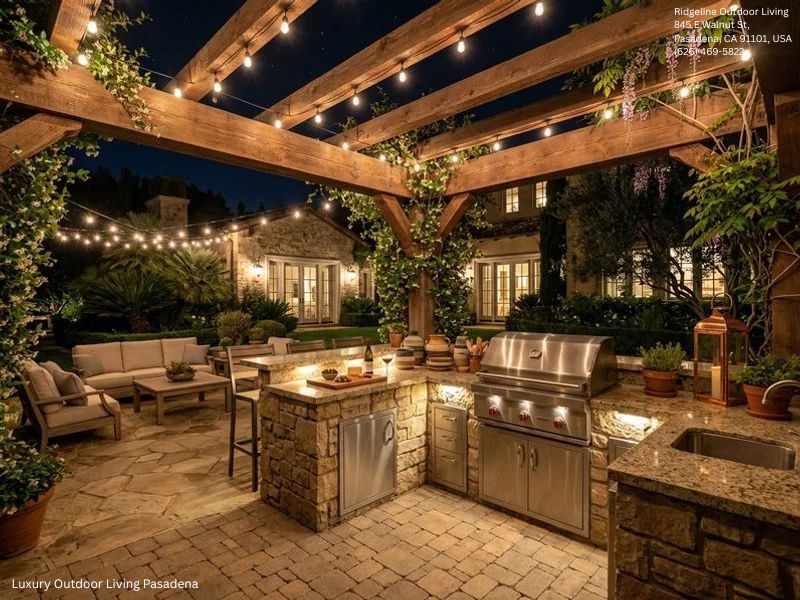
Lighting, too, should respect water. We elevate low-voltage connections, choose fixtures with proper IP ratings, and avoid creating glare on wet surfaces. Ten outdoor lighting ideas for Los Angeles landscapes will always include safe egress on rainy nights and clean sightlines that help you spot pooling.
Retaining walls, pressure, and peace of mind
If you’re on a hillside or your yard steps up from the street, understand that water builds pressure behind walls. A wall without drainage is a time bomb. We specify a gravel backfill zone, a perforated drain at the base daylighting at the ends or to a sump, and weep holes where appropriate. On taller walls, we involve a structural engineer and follow city permitting. How retaining walls prevent erosion on hillside properties isn’t just theory. We’ve rebuilt walls that failed after one wet winter because fabric and pipe were skipped to save cost. Don’t.
For steep lots, we sometimes use terracing with low walls to slow water. The complete guide to hillside landscaping in Los Angeles would also cover hillside steps, handrails, and plant choices that knit soil. We add rock check dams in swales to take the energy out of fast flows. These features look natural when detailed with local stone and native plants, and they keep the lower patio usable even when upper slopes are draining.
Drainage under outdoor rooms
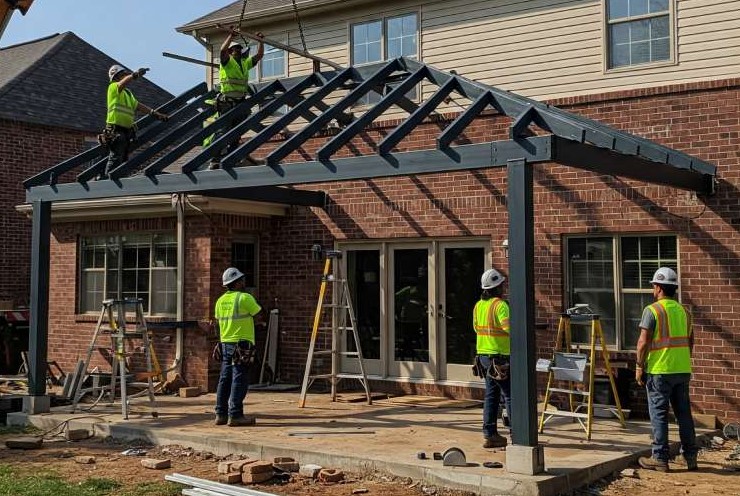
Modern backyards blend cooking, dining, and lounging. Outdoor kitchen trends Los Angeles homeowners are choosing often include large roof structures, pizza ovens, and built-in seating. Every roof and slab introduces water management questions. A covered patio needs gutters, downspouts, and a drain plan that won’t sheet water across the dining area. Pergolas vs covered patios carry different implications. A pergola throws dappled shade and sheds little water, while a solid roof collects it. When clients ask how much an outdoor kitchen costs in Los Angeles, we remind them that drainage and utilities typically add 10 to 20 percent to the build, depending on distances and tie-ins.
We also watch for grease traps near drains. Keep barbecue islands clear of inlets and route sinks through appropriate plumbing, not into storm drains. For paver patios, we use permeable jointing and base systems where feasible, so an evening rain doesn’t turn a party into a mop drill.
Cost ranges that reflect real work
Budgets depend on scope, access, and finishes. On typical LA lots:
- Regrading and adding surface drains around a perimeter runs in the low to mid four figures when access is clear and hardscape stays intact. A French drain with proper aggregate, fabric, and a solid outlet often lands in the mid four to low five figures, scaled by length and depth. Trench drains across garage doors or patio edges vary with brand and finish but usually fall within the low four figures installed. Curb core permits and tie-ins add permitting fees and concrete work; plan for several hundred to a couple thousand dollars depending on jurisdiction and sidewalk condition. Complex hillside drainage with retaining walls, sump systems, and engineering can extend into the high five figures or more.
We provide itemized estimates so you can phase work sensibly. Sometimes we address the urgent fix ahead of the holidays, then return in spring to integrate the larger hardscape or planting plan. Ten backyard upgrades worth the investment often begin with drainage, because it protects everything that follows.
Maintenance, the five-minute habit
Even the best systems clog if ignored. Make a simple routine part of your rainy-season prep.
- Clear roof gutters and downspout screens after the first leaf drop and again before the first big storm. Remove grates and vacuum sediment from area and trench drains once or twice each winter. Check outlets at the curb for obstructions. Keep them free of mulch and leaves. Walk the yard during a moderate rain. Note flows, puddles, and any new erosion. Trim roots near basins and clean out French drain access points annually.
If you keep that habit, those systems you paid for will keep paying you back. Neglect is the faster way to spend that money twice.
Permits, neighbors, and being a good citizen downstream
Drainage work touches property lines, sidewalks, and streets. We respect the rules because they exist to prevent disputes and damage. Discharging to the street requires a permit in most LA cities, with details on pipe size and core placement. Inlet protection during construction keeps sediment out of storm drains. At property lines, California’s drainage law expects you not to concentrate flow onto a neighbor’s property. We design swales and retaining wall outlets to diffuse water within your site or to legal discharge points.
If your home sits in a neighborhood with narrow parkways and old trees, we route around roots and use air spades where necessary. Tree health matters. Long term, it also helps with your drainage by pulling moisture from the soil between storms.
Tying drainage into the broader landscape vision
When we master-plan a yard, we treat water like a guest who always shows up. Hardscaping features that increase property value usually come with height changes, flat surfaces, and foot traffic. We decide where water should move on day one, then shape patios, steps, and plantings around that intent. Paver patios designed for Los Angeles homes can be pitched softly, with hidden inlets along seat walls. Outdoor living ideas that transform backyards often include sunken lounges or fire features. A sunken space must have a drain strategy beyond a single small grate. We build redundant inlets and route them to separate lines when possible.
Water features deserve special mention. Twelve water feature ideas for luxury Los Angeles backyards can be beautiful, but they add splash and potential overflow. We keep their plumbing separate from storm systems and build appropriate splash aprons and drains so a fountain does not feed a planter into root rot.
Pool landscaping has its own rules. Deck drains need to handle both rain and splash. We tie them into non-chlorinated discharge paths if local ordinances require. Plant choices near decks balance privacy with debris control, so leaves do not clog grates every weekend.
A quick field story
A Silver Lake client called after an atmospheric river pushed water under her 1920s bungalow. The yard sloped gently toward the house. The patio met the threshold dead level, and three downspouts dumped into a planter bed an inch above slab. We rebuilt the first six feet of grade around the house to achieve a steady fall, saw-cut and re-poured a narrow patio band with a 1.5 percent pitch away from the house, and added a low-profile trench drain at the doors. We tied all downspouts to a solid mainline, upsized to 6 inch at the side yard, and cored the curb with a permitted outlet. In the garden, we carved a shallow swale that reads like a path of river stones and installed a modest French drain under the lawn to keep it playable. The next storm, the homeowner texted a photo of the curb outlet running like a small creek, and a dry doormat at the patio door. No heroics, just fundamentals executed cleanly.
When DIY is fine, and when to call us
Homeowners can solve light ponding with spot regrading, gutter extensions, and cleaning grates. If you enjoy weekend projects, you can install a small dry creek swale or replace a clogged basin. But if water touches the foundation, enters living spaces, or moves soil on a slope, bring in a professional who will measure grade, test soils, and design a permitted discharge.
A well-integrated plan pays off beyond the storm. It sets up your next steps, whether you are designing the perfect outdoor dining space, adding a pergola, or planning a full design-build with our team. How Ridgeline Outdoor Living approaches design-build landscaping is simple at heart: respect water, honor structure, and let function guide beauty.
The payoff you don’t always see
Drainage rarely earns praise at a dinner party, yet it guards every investment in your yard. Done right, it is invisible when dry and quietly confident when wet. It keeps the outdoor kitchen dry underfoot on a rainy grilling night. It keeps the paver driveway free of standing water so the kids do not track mud into the car. It preserves your retaining walls, your plants, and your time.
Business Name: Ridgeline Outdoor Living
Address: 845 E Walnut St, Pasadena, CA 91101, United States
Phone: (626) 469-5822
Ridgeline Outdoor Living
Ridgeline Outdoor Living is a Pasadena-based landscape design-build company serving Greater Los Angeles with custom outdoor living, hardscape, and drought-tolerant landscape solutions. The company specializes in patios, retaining walls, outdoor kitchens, drainage, hillside projects, and turnkey landscape construction, handling projects from design and permitting through final build and warranty.
845 E Walnut St, Pasadena, CA 91101, USA
Business Hours:
- Monday – Saturday: 8:00 AM – 6:00 PM
- Sunday: Closed
Follow Us:
If you suspect your property has hidden issues, start with a walk during the next storm. Watch how water moves. Capture a few photos. Then, whether you prefer a low-key fix or a comprehensive plan, we can translate those observations into solutions that work and last. That is how Ridgeline Outdoor Living designs stunning outdoor spaces in Los Angeles: by taking water seriously from the first stake in the ground.