A driveway meets every visitor before your front door does. It frames your architecture, guides traffic, sets expectations, and, if you get it right, quietly lifts the entire property. At Ridgeline Outdoor Living, we design and build driveways across Los Angeles that have to do more than look good. They must stand up to heat, the occasional downpour, guest parking during holidays, and hillside constraints that turn simple jobs into small feats of engineering. The best projects read as effortless, but behind that appearance sits careful planning, material judgment, and craftsmanship.
On a Spanish Revival in Los Feliz, we replaced a cracked concrete slab with a permeable herringbone paver field, limestone banding, and a flared entry that allowed easier turning off a narrow street. The owner’s comment after the first rain said it all. No more pooling, no tire chatter, and the home suddenly felt complete. That is curb appeal doing quiet, measurable work.
Below, you will find 15 driveway paving ideas we regularly deploy to impress from the street and satisfy in daily use. Mix and match, or choose one that ties your property together. Each idea includes practical notes from the field so you can anticipate cost, care, and compatibility with Los Angeles homes.
What really makes a driveway succeed
Attractive materials only perform if the base and drainage do their jobs. In our climate, the biggest risks are poor compaction that leads to settlement, and mismanaged runoff that creeps toward the garage. A reliable build starts with excavation to stable soil, then layered base material compacted in lifts. Edge restraint prevents migration. Slopes should direct water to approved discharge, not your neighbor or the street gutter if a better on-site solution exists.
Permeable systems are increasingly popular across Southern California because they relieve pressure on storm drains and help with the city’s water conservation goals. For hillside properties, retaining walls and subdrains may be part of the assembly. In tight setbacks, we often use French drains along the garage apron to capture sheet flow, tie them to dry wells, and keep interiors safe. If you are navigating permits, especially in Los Angeles city or county hillside zones, expect inspections on compaction, rebar, and stormwater measures.
Now to the ideas.
Permeable interlocking pavers that sip the rain
Permeable interlocking concrete pavers look like Article source traditional pavers from above, but they sit on an open-graded base with small stone in the joints to let water pass through. In the San Fernando Valley, where summer heat beats down and occasional storms arrive fast, we have used these systems to eliminate nuisance puddles and reduce runoff.
A permeable herringbone pattern brings both performance and classic style. Expect a typical installed cost in the mid to high range for pavers compared to standard concrete, but you buy resilience and flexibility. If a utility line needs service, we lift a section and relay it without visible scars. Maintenance involves vacuuming joints every few years to keep voids open and topping off joint stone as it settles.
Exposed aggregate concrete with integral color
Exposed aggregate concrete trades flat gray for texture and sparkle. We wash the top layer during finishing to reveal select pebbles, often a warm river blend that pairs with stucco and clay roof tiles. Integral color helps avoid the flaking that surface color hardeners can show after years of use.
A Los Angeles classic uses a soft tan or cocoa hue, a medium pea gravel exposure, and clean saw cuts in a 10 foot grid. The pattern reads contemporary, while the aggregate feels timeless. It performs well under tires and hides dust. Expect light sealing every two to three years to guard against staining.
Ribbon driveway with drought tolerant planting between tracks
Few designs charm like a ribbon driveway. Two parallel wheel paths in concrete or pavers, separated by a planting strip, soften the front yard and cut impermeable surface area. In Los Angeles, we often swap turf for a low mound of dymondia, blue fescue clusters, or a creeping thyme that tolerates heat and light traffic. In bolder modern settings, a band of black Mexican beach pebbles creates a graphic line with zero irrigation.
This approach works best on relatively flat lots and at least 9 feet of overall width. You gain permeability and a garden gesture right at the curb. The trade off is snow shoveling, not a factor here, and the need for sharp layout so wheel paths hit naturally when pulling in.
Limestone or basalt banding to elevate standard fields
Borders and bands turn a good driveway into a designed driveway. Running a 6 to 12 inch course of limestone or basalt at the perimeter lifts a field of concrete or standard pavers, similar to a frame around artwork. Cross bands at intervals help break up large slabs and control cracking.
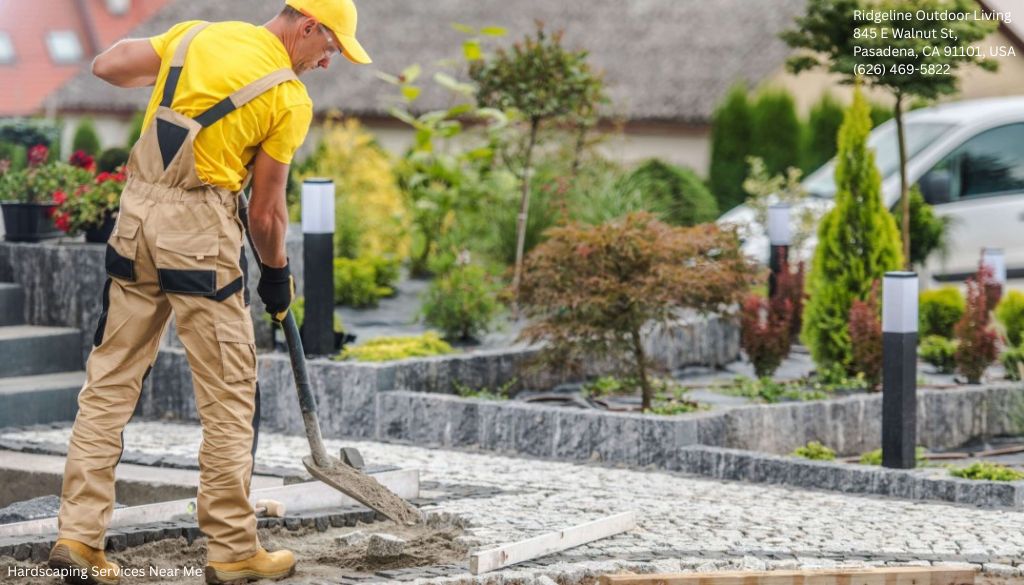
On Mid Century homes, we favor dark basalt lines with a pale paver field to echo the home’s long horizontals. On Spanish Revival or Mediterranean facades, cream limestone softens the edges. Bands also help with wayfinding. Visitors intuit where to park when the layout subtly narrows between accent lines.
Herringbone pattern for strength in tight turning areas
Pattern is not only aesthetic. Herringbone locks pavers in a way that resists the lateral forces of turning tires. At alley entries or constrained garage approaches, we switch from running bond to herringbone for a measurable performance bump. The bonus is visual cadence that feels dynamic as you approach the house.
We often pair herringbone fields with a simple soldier course border for calm. Color blend matters here. A two or three tone paver mix avoids a mottled look yet brings depth in sun and shade.
Linear plank pavers for a modern plank floor effect
Long, slender plank pavers, sometimes 24 by 8 inches or larger, give a modern, boardwalk feel to the ground plane. When set perpendicular to the street, they visually widen a narrow lot. When set parallel, they guide the eye down the drive toward the entry. We use spacer tabs and a sand set install for flexibility, or mortar set for highly precise alignments in smaller courtyards.
The key is a stable base and tight height control so long pieces do not teeter. You gain a striking contemporary language that pairs well with smooth stucco, steel, and glass.
Colored concrete with saw cut scoring and sandblast bands
Plain gray can look institutional. Colored concrete, thoughtfully chosen and consistently batched, reads custom without fuss. We pair it with tight saw cuts and finish select strips with a light sandblast to create tonal stripes. The result is subtle, costs less than natural stone, and wears evenly.
Control joint planning is crucial. Align joints with garage door mullions and adjacent walkways so the geometry feels deliberate. In Los Angeles, colored concrete typically lands in the moderate price tier compared to pavers or natural stone, but it scores high on value when the goal is clean, modern curb appeal.
Cobblestone or granite setts as an apron or threshold
You do not need a full cobblestone drive to get character. A six to eight foot deep stone apron at the street or at the garage threshold telegraphs quality. It also absorbs the brunt of braking and turning, sparing the main field. We use tumbled granite setts in warm grays for a European note that complements both traditional and modern homes.
Mortar set on a reinforced slab will feel timeless and solid underfoot. Pair with a smoother field to balance texture. You get sound, tactile feedback as you enter that hints you are arriving somewhere considered.
Porcelain pavers in high strength, driveway rated assemblies
Porcelain has leapt from interiors to exteriors, including select driveway rated products. Textured finishes provide traction, and color control is excellent. We specify thicker formats designed for vehicular loads, usually installed over a reinforced mortar bed. The result is crisp, low porosity, and highly stain resistant.
For homeowners who prize a consistent material palette from entry walk to motor court, porcelain performs. It sits at the high end of cost, and installation requires a meticulous crew. Done properly, it reads like stone with modern precision.
Resin bound aggregate for a seamless, porous surface
Resin bound aggregate blends decorative stones in a clear binder to create a continuous, porous surface. Think of it as a refined, stable gravel that does not scatter. Edges should be well defined, and the substrate carefully graded. We have landscaping guides used it to transform long drives where clients wanted a softer look than concrete and a more comfortable walk than loose gravel.
UV stable binders hold color better in our sun. Choose aggregate that ties to your facade and pathways. Maintenance involves occasional power washing and keeping oil off the surface. The surface feels contemporary, quiet under tires, and surprisingly elegant.
Turf block and grasscrete for green infill on guest parking
For guest parking nooks, turf block or grasscrete solutions combine concrete strength with planted voids. They reduce heat island effect and keep the front yard verdant. We often use a drought tolerant grass mix or hardy groundcovers, supported by drip irrigation. The visual signals that parking is welcome without turning the entire front yard into hardscape.
Be realistic about wear. These systems handle occasional parking well but will show ruts under daily traffic unless the base is flawless and the irrigation fine tuned. In coastal neighborhoods, they stay greener with less water thanks to milder air.
Motor court geometry with a center island that doubles as a rain garden
On wider lots, a motor court lends presence and function. Rather than one wide expanse, we carve a center island planted with olives, manzanita, or a sculptural agave grouping. The court geometry allows easy turnaround so guests never have to back into the street. Done right, the central island becomes a shallow bioswale that collects and infiltrates runoff from the paved ring.
Materials matter here. A soldier course border helps the circular or oval edge read crisp. Inside the court, we keep plants drought tolerant and low enough to preserve sightlines. This idea ties to broader water wise goals and integrates with The Ultimate Guide to Drought-Tolerant Landscaping in Los Angeles philosophy.
Business Name: Ridgeline Outdoor Living
Address: 845 E Walnut St, Pasadena, CA 91101, United States
Phone: (626) 469-5822
Ridgeline Outdoor Living
Ridgeline Outdoor Living is a Pasadena-based landscape design-build company serving Greater Los Angeles with custom outdoor living, hardscape, and drought-tolerant landscape solutions. The company specializes in patios, retaining walls, outdoor kitchens, drainage, hillside projects, and turnkey landscape construction, handling projects from design and permitting through final build and warranty.
845 E Walnut St, Pasadena, CA 91101, USA
Business Hours:
- Monday – Saturday: 8:00 AM – 6:00 PM
- Sunday: Closed
Follow Us:
Flared or scalloped entries that make arrival easier on narrow streets
Many Los Angeles streets are tight. A flared driveway mouth solves the everyday annoyance of pinched turning radii, especially with SUVs. The flare adds only a few square feet but pays back in ease and reduced curb rash. If the city allows, we adjust curb and apron geometry within code to extend the flare into the public way.
We accentuate the flare with contrasting pavers or a stone border that widens near the street, then narrows toward the garage. The look is subtle, and the function is immediate. If you plan an electric gate, this geometry also helps vehicles approach cleanly.
Inlays, medallions, and address markers set into the paving
A restrained inlay can personalize a driveway. We have embedded a compass rose in natural stone at a Brentwood motor court and a minimalist brass address in a Santa Monica apron. The trick is scale and restraint. Let the main field carry the eye, and use the inlay where someone will actually see it up close, not in the far corner.
Inlays work with both pavers and concrete. For concrete, we set stone or metal into a shallow recess and finish flush. For pavers, we swap a field of contrasting units. Protect metal from galvanic reactions with the surrounding cement, and seal porous stone to keep it crisp.
Integrated lighting that guides without glare
Curb appeal does not stop at dusk. We recess LED puck lights into banding, mount low bollards at the entry, and tuck step lights into adjacent retaining walls. Good lighting avoids glare that blinds drivers, favors warm color temperatures around 2700 to 3000K, and marks edges cleanly. It pairs naturally with the principles in 10 Outdoor Lighting Ideas for Los Angeles Landscapes and prevents the pitfalls called out in 10 Outdoor Lighting Mistakes That Reduce Curb Appeal.
We prewire during construction so conduits are invisible. Smart controls can dim late at night and ramp up when motion is detected. The driveway becomes an invitation, not a runway, and safety improves for kids on scooters and guests carrying groceries.
Practical planning notes Los Angeles homeowners should know
- Allow for at least 10 feet of clear width to park comfortably, and 12 to 14 feet feels generous for two way passing at the entry. On slopes, orient pattern and joints perpendicular to the fall where possible to resist traction loss and tire scuffing. If your lot sits below the street, plan on trench drains or French drains at the garage apron tied to dry wells or approved discharge. For hillside properties, confirm soil reports and consider retaining walls that double as design elements, echoing the logic in Retaining Walls for Hillside Properties: What Homeowners Need to Know. If you plan an electric vehicle charger, run conduit under the driveway now. It is inexpensive to rough in and expensive to add later.
Those five details prevent the most common call backs we see. They also dovetail with the strategies in How to Solve Common Yard Drainage Problems and French Drains Explained: Protecting Your Property From Water Damage.
Material costs and care in broad strokes
Every site, design, and market condition nudges budgets. In Los Angeles, where labor and permitting add overhead, driveways typically fall into ranges rather than fixed prices. Standard broom finish concrete often starts in the mid to high teens per square foot when reinforcing, grading, and disposal are included. Exposed aggregate and colored concrete move up from there. Interlocking concrete pavers tend to start in the high teens to the high twenties per square foot for standard systems, higher for permeable assemblies or labor intensive patterns. Natural stone or porcelain in vehicular assemblies can land in the thirties to sixties per square foot, depending on the stone, cuts, and substrate.
Maintenance looks different for each. Concrete wants periodic sealing and lives with inevitable hairline cracks that good jointing can anticipate. Pavers invite joint sand or stone top ups every so often, and a plate compactor pass after a few seasons is wise if joint loss appears. Porcelain largely resists staining but depends on perfect installation for longevity. Resin bound aggregate appreciates gentle cleaning and a watchful eye on oil spots. Turf block thrives with smart irrigation and realistic traffic expectations. Your selection should weigh looks, feel underfoot and under tire, and long term upkeep.
Pairing the driveway with the rest of the landscape
A driveway that sings usually listens to its surroundings. If your front yard embraces drought tolerant principles, carry them to the edges of the drive with mounded plantings of aloes, salvias, and native grasses. The Best Drought-Tolerant Plants for Los Angeles Yards offers numerous candidates that stay sculptural year round. If your property steps down a slope, low retaining walls can hold grade, frame the drive, and create planters that collect and infiltrate water. These strategies tie to 15 Water-Wise Landscaping Ideas for California Homes and The Complete Guide to Hillside Landscaping in Los Angeles.
Lighting should extend from driveway to path to porch in one language. If you built an outdoor kitchen or patio in back, echo a border detail or stone choice at the front so the property feels authored, not pieced together. Ridgeline Outdoor Living’s design-build approach favors these through lines, whether we are laying out 15 Paver Patio Designs Los Angeles Homeowners Love or completing a driveway makeover.
Edge cases and when to resist an idea
Restraint saves money and avoids maintenance headaches. We do not recommend grass between pavers on steep slopes where irrigation fights gravity and soil dries fast. We avoid small, highly textured cobbles as the main field for daily drivers, unless old world charm outweighs a bumpy ride. Dark, heat absorbing surfaces can be a mistake on west facing drives that bake in the afternoon, making playtime on scooters less pleasant. Ultra light, chalky pavers near busy streets show rubber marks faster. And if your garage sits lower than the street, permeable paving is not a cure all without relief measures. Water still follows physics. It needs a destination.
In hillside zones with active soils, rigid monolithic slabs can crack despite rebar and good joints. Segmental pavers or banded concrete fields with plenty of relief joints handle slight movement with less drama. The choice hinges on geotechnical info, not just style.
How Ridgeline ties design intent to build reality
The best driveways start with measured constraints. We map slope, tight turning paths, and visibility lines, then sketch options that meet them with style. Our crews have installed porous bases that pass city inspection, built apron flares inside tight right of way limits, and integrated conduits for future gate motors and EV charging. The same care we bring to How Ridgeline Outdoor Living Designs Stunning Outdoor Spaces or Outdoor Kitchen Trends Los Angeles Homeowners Are Choosing channels into the front approach. It is one project, one property, one set of priorities.
Clients often arrive asking for one surface and leave with a hybrid that fits better. A colored concrete field with granite setts at the street, a limestone band at the garage, and herringbone pavers at the pinch point. Or a permeable paver drive with a resin bound guest bay disguised as part of the garden. When curb appeal looks inevitable, the design work did its job.
A brief comparison when choosing between top contenders
- Concrete suits clean, modern looks, controls budget, and installs quickly. It wants smart jointing and periodic sealing. Interlocking pavers offer pattern, repair flexibility, and excellent performance on turns, with higher upfront cost. Permeable pavers manage stormwater on site and can reduce runoff fees where applicable, with maintenance to keep joints open. Natural stone or porcelain deliver premium finish and longevity when detailed correctly, with higher installation precision and cost. Resin bound aggregate softens the look, remains porous, and rides smoothly, but needs careful substrate prep and oil vigilance.
Match the material to your architecture, slope, and tolerance for upkeep. When in doubt, build a sample panel and live with it a few days. Sun, shadow, and the view from your car seat reveal what photos do not.
Bringing it all together
Curb appeal is a sum, not a single move. Choose a paving idea that strengthens your home’s language, fits the site, and anticipates real use. If your street is narrow, a flared entry earns its keep. If you collect water at the garage, a French drain and permeable field solve headaches you do not see in listing photos but feel every rainy day. If you favor a modern facade, plank pavers or porcelain elevate without shouting. If you love warmth and age, exposed aggregate with limestone banding or a cobblestone apron carries that story to the curb.
Fifteen ideas sit above, but the right answer for your Los Angeles home might be two or three in concert. That is where design meets construction, and where Ridgeline’s crews turn drawings into details that stand up to everyday life. When the first impression lasts, the driveway did its quiet, crucial work.