A driveway in Los Angeles has more to do than carry cars from street to garage. It greets guests, sets the tone of the architecture, manages stormwater after rare but heavy rains, and stands up to sun, oil drips, and the slow creep of tree roots. After two decades designing and building hardscapes across the Southland, our team at Ridgeline Outdoor Living has installed just about every driveway material you can name. Some age beautifully in coastal air and Santa Ana winds. Others look sharp on day one but fade or crack sooner than homeowners expect. What follows is a practical guide to what works, what to watch, and where we steer clients depending on budget, style, slope, and soil.
What makes a driveway work in Los Angeles
Climate rules performance here. UV exposure is relentless, so colorfastness and heat absorption matter. Most of our soils are expansive clays or decomposed granite, which move with moisture and earthquakes. That means base prep and joint design make or break longevity. Los Angeles homes also bring hillside grades, curb cuts with tight turning radiuses, and mature trees whose roots will poke at anything rigid. Add in water restrictions and you have a short list of materials that thrive, and a longer list that need careful detailing.
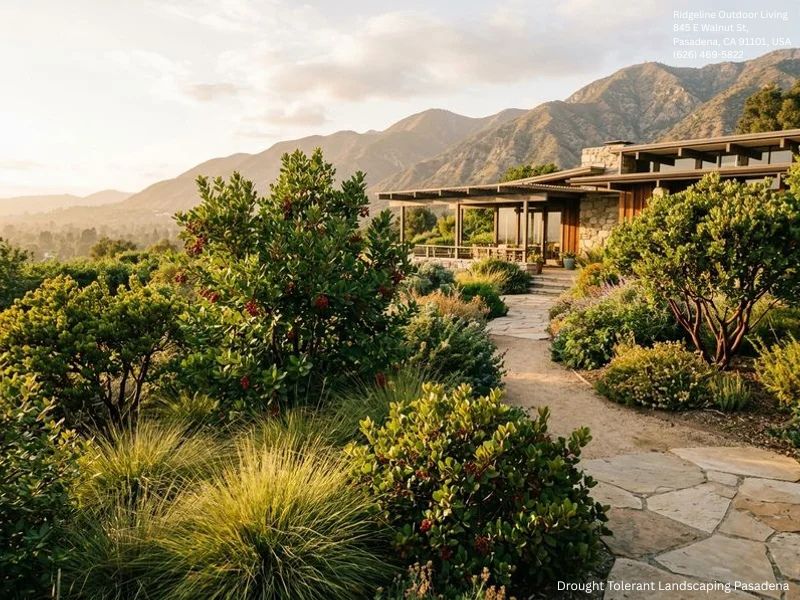
We also design driveways as part of an outdoor living system. A front approach that pairs the right paving with drought-tolerant planting, well-placed low-voltage lighting, and smart drainage raises curb appeal and resale value in a way a single upgrade cannot. If you are mapping out broader changes, resources like The Best Drought-Tolerant Plants for Los Angeles Yards, 10 Outdoor Lighting Ideas for Los Angeles Landscapes, and 10 Hardscaping Features That Increase Property Value are worth keeping in mind as you plan.
Poured concrete: the workhorse with range
If you drive through Studio City, Westchester, or Pasadena, you will see concrete in all its forms. It remains the baseline for Los Angeles because it hits a balance of cost, durability, and design flexibility. A simple broom-finished slab reads clean and modern in front of a mid-century ranch. Exposed aggregate brings texture that hides tire marks. Integral color or a light stain warms up the gray. Scored joints can echo window mullions or align with a path, which helps the whole front entry feel designed, not poured.
Installation details matter more than finish. We recommend a compacted base of 4 to 6 inches of Class II road base in most flat lots, thicker on hills or soft soils. Rebar or welded wire mesh keeps slabs tied together, and we tighten expansion joint spacing below the typical 10 feet when a site shows soil movement. We also thicken edges at drive aprons and along the street where trash trucks and delivery vans load the slab.
Expect ranges in Los Angeles of about 12 to 20 dollars per square foot for standard broom finish, 16 to 24 for exposed aggregate or integral color, and 16 to 28 for stamped patterns. Costs climb with extensive demo, poor access, complex drainage, or larger rebar schedules.
Where concrete stumbles is cracking and color variation. Every concrete driveway will crack at some point. Good saw cuts encourage shrinkage to happen in the joints instead of across the middle of your approach. Color can mottle, especially with integral mixes in hot weather. We manage this with shade tents and early starts. If absolute uniformity matters to you, consider pavers instead.
Interlocking concrete pavers: curb appeal with resilience
Interlocking pavers are the most requested premium driveway surface we build today. Santa Monica bungalows, Encino new builds, Hancock Park revivals, they all wear pavers well because the system flexes with minor soil movement instead of cracking. Individual stones can be swapped in minutes if a plumber needs access or an oil stain refuses to budge. The joint pattern also fits a range of architectural styles, from crisp charcoal rectangles to tumbled cobble modules that feel timeworn.
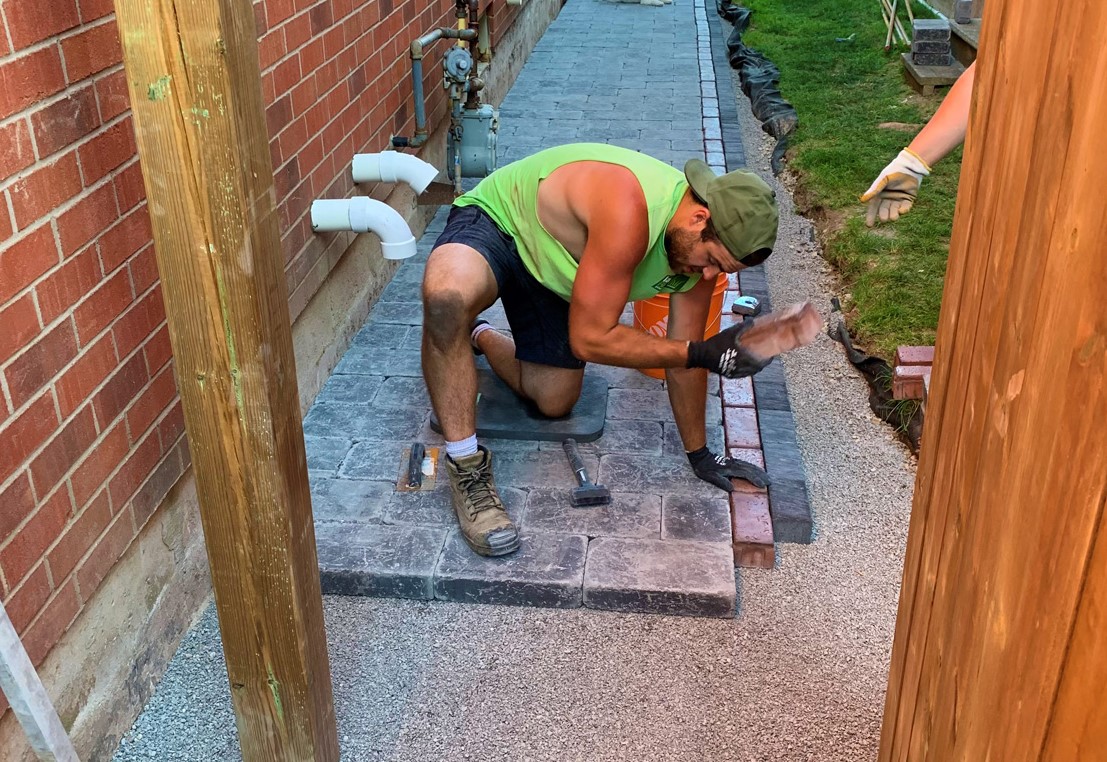
Underneath, a paver driveway is a geotechnical project first and a finish material second. We excavate deeper than for concrete, usually to accommodate 8 to 10 inches of compacted angular base, then a bedding layer of sand or, for permeable systems, open-graded chip. Edge restraints hold everything tight. Setters place each unit by hand, then a plate compactor vibrates polymeric sand into the joints. Do not skimp on base thickness if you live on a hillside or have heavy vehicles. The base is your driveway.
Pricing for interlocking pavers typically falls between 18 and 35 dollars per square foot in greater Los Angeles, higher for custom cuts, borders, or imported lines. Permeable paver systems with enlarged base to store stormwater run toward 22 to 40. Homeowners often ask about heat. Medium grays and taupes stay friendlier under July sun than dense black units. We test samples on site at noon so you can feel the difference with your own hand.
Permeable pavers: drainage solved with style
When a site floods along the curb line or a garage sits low, we look at permeable pavers first. The pavers themselves are strong like standard interlocking units, but the jointing and subbase are engineered to let water through. Voids in the open-graded rock hold stormwater and meter it into the soil, which takes pressure off drains and the street. For homeowners working through plan check in cities that encourage infiltration, this approach often earns faster approvals.
Permeable systems require soil that can accept water within a reasonable time. We run infiltration tests during design. If native soils percolate slowly, we include underdrains that move excess water to a safe outlet. Leaves can clog the joints, so periodic vacuuming or blowing preserves flow. When detailed correctly, permeable pavers handle temperatures, tires, and time as well as their conventional counterparts while solving a problem concrete cannot.
Stamped and textured concrete: pattern without joints
Stamped concrete sells because it can mimic stone at a lower initial cost. We use it sparingly and only where clients understand the trade-offs. Heat can make colored sealers flash and fade. Tire swivel in tight drive courts can scuff the sealer, which then needs periodic refresh. In our experience, stamped patterns look best when they do not pretend to be large irregular flagstones. Clean, linear stamps that emphasize geometry over faux grout lines read more honest and stay sharper longer.
One recent Brentwood project shows stamped concrete at its best. The homeowner wanted a monolithic look between a motor court and walkway. We chose a light sand texture with saw-cut bands that repeat the steelwork on the front door. Up close, the texture helps with traction and hides dust. From the street, the pattern reads sophisticated rather than imitative.
Natural stone: luxury with weight and maintenance to match
A driveway in basalt, porphyry, or dense granite announces itself from half a block away. The weight of natural stone underfoot feels different, and color variation lights up under early evening path lights. Done right, a stone driveway can lift a traditional or modern home into a different tier of curb appeal. Done wrong, it becomes a maintenance project you did not want.
Not every stone belongs under car tires. Sandstones and many limestones are too soft or too porous for long-term performance on a driveway in our climate. We have had success with flamed basalt, porphyry cubes from Italy, and select granites with thermal finishes for traction. Flagstone is rarely appropriate for driveways unless you are fully mortaring and keeping vehicles light. Set stone over a reinforced slab or choose thick stone set on an engineered base with tight joints. The budget for natural stone usually starts around 35 dollars per square foot and can exceed 60 when you factor in base, labor, and select materials.
If you love the look but not the spend, consider high-end concrete pavers that borrow textures from stone. For many homeowners, the difference is indistinguishable at the curb.
Asphalt: rare in front yards, practical in estates
Asphalt has a place, but it is a small one in Los Angeles residential design. landscaping guides Large estates with long private drives sometimes choose asphalt for cost and speed, layering decorative bands of stone or pavers at gates and entries. Asphalt runs cooler under sun and resists oil staining better than unsealed concrete. It also forgives subgrade movement with fewer visible cracks.
On smaller urban parcels, asphalt can look out of place against stucco, wood, and glass. Edges need crisp steel or concrete to avoid crumbling near planters. Expect costs between 8 and 15 dollars per square foot depending on thickness and base prep. Be ready to reseal every few years. If you want something softer than concrete but richer than asphalt, resin-bound aggregates have started to enter the conversation, though sourcing and long-term data in our climate are still catching up.
Gravel and decomposed granite: casual texture with caveats
Loose gravel and decomposed granite evoke wine country drives and Spanish courtyards. Stabilized versions, where a binder locks fines together, perform better under turning tires and keep dust down. In LA they work best for guest parking pads, long side drives with limited use, or as accents around concrete wheel strips. Full-width loose gravel in a primary drive can migrate, and HOAs often object to spillage into streets.
We will specify stabilized decomposed granite in wider approaches where budget needs attention and the look suits the architecture. A warm gold DG with crisp steel edging and concrete bands can be beautiful. Just know that maintenance involves occasional top-ups, especially after a strong winter rain, and that slopes above 6 percent challenge any loose surface. Pricing usually falls around 8 to 14 dollars per square foot for stabilized DG with proper base and edging, and 4 to 10 for loose gravel installations.
Reinforced turf and turfstone: green drive courts without mud
Some homeowners want a green approach that reads as lawn most days but can host cars during events. Permeable grid systems, often called turfstone, make that possible. Concrete or plastic cells interlock to spread loads across the soil. You can infill with gravel for a contemporary look or a drought-tolerant turf mix if you want green.
We advise against traditional sod in these systems due to water demands and wear. If you need a lawn look, consider modern artificial turf for infill. It stays tidy and drains well over the grid. This suggestion pairs with broader debates in Artificial Turf vs Sod: What’s Best for Los Angeles Homes?, where traffic patterns, heat, and water budgets drive the call.
Resin-bound gravel: a clean European look that is arriving here
Resin-bound systems encapsulate aggregate in a clear binder, then trowel it into place over a prepared base. The finished surface looks like perfectly even pebbles without loose stones underfoot. It drains, resists weeds, and delivers a warm texture that concrete cannot match. The method is well-established in the UK and parts of Europe. In Los Angeles it still counts as specialized work with fewer installers. UV-stable resins are mandatory here. When detailed over a concrete base with proper expansion joints, these systems hold up, though they have limited tolerance for heavy point loads and may need localized repairs over time.
Heat, glare, and the choice of color
Blacktop absorbs heat. Pure white concrete glares. Most LA homeowners land in the middle with light to medium grays, sandy beiges, or stone blends that soften sunlight. Solar reflectance index (SRI) data can help if you are working toward a Cool Roof or Cool Pavement credit, but your eyes do most of the work. We always bring large samples and view them at midday and at dusk under landscape lighting. Slightly darker tones hide scuffs from three-point turns better than pale slabs.
Business Name: Ridgeline Outdoor Living
Address: 845 E Walnut St, Pasadena, CA 91101, United States
Phone: (626) 469-5822
Ridgeline Outdoor Living
Ridgeline Outdoor Living is a Pasadena-based landscape design-build company serving Greater Los Angeles with custom outdoor living, hardscape, and drought-tolerant landscape solutions. The company specializes in patios, retaining walls, outdoor kitchens, drainage, hillside projects, and turnkey landscape construction, handling projects from design and permitting through final build and warranty.
845 E Walnut St, Pasadena, CA 91101, USA
Business Hours:
- Monday – Saturday: 8:00 AM – 6:00 PM
- Sunday: Closed
Follow Us:
Edges, bands, and the art of transitions
A driveway rarely lives alone. It meets sidewalks, planters, walls, and garage thresholds. The smartest designs handle those transitions with intention. Concrete driveways feel finished when we saw-cut a crisp band near the street and repeat that joint language in the walkway. Paver driveways earn polish with a soldier course border in a complementary shade or a subtle inlay that runs up to the front stoop. Natural stone invites a basalt or steel edge to keep gravel inbounds.
Tight sites call for widened aprons or a small landing near the gate so larger vehicles can swing in without climbing a planter. If you are planning outdoor kitchens or courtyards as part of a larger remodel, think in systems. The color of your driveway can carry into a patio with a different scale or finish. A homeowner in Sherman Oaks had us use the same porcelain colorway on a rear terrace and selected a complementary driveway paver. The visual tie made the yard feel unified from curb to pool, a trick also used in 15 Paver Patio Designs Los Angeles Homeowners Love.
Drainage and slopes: what you do not see makes it last
Driveways are part of your drainage plan. We align slopes to move water off the paving and toward catch basins or permeable zones. In older neighborhoods, you will find driveways sloping toward garages. When we rebuild, we often cut shallow trenches for slot drains that almost disappear and connect them to dry wells, french drains, or permeable bases. If you are curious how these systems work, French Drains Explained: Protecting Your Property From Water Damage goes deeper.
On hillside lots, reinforcement and anchoring matter. We upsize base thickness, include geogrid where soils are loose, and design retaining walls to hold the uphill side. If a wall sits within eight feet of the driveway edge, we coordinate drainage so hydrostatic pressure does not push it over. You can read more in Retaining Walls for Hillside Properties: What Homeowners Need to Know and The Complete Guide to Retaining Walls in Los Angeles.
What it really costs in Los Angeles
Every site differs, but most homeowners want a bracket early. These ranges reflect recent Ridgeline projects across the county, including demo and proper base work, but excluding unusual access or major drainage upgrades.
- Concrete, broom finish: roughly 12 to 20 dollars per square foot Concrete, colored or exposed aggregate: roughly 16 to 24 dollars per square foot Stamped or textured concrete: roughly 16 to 28 dollars per square foot Interlocking concrete pavers: roughly 18 to 35 dollars per square foot Permeable pavers: roughly 22 to 40 dollars per square foot Stabilized decomposed granite: roughly 8 to 14 dollars per square foot Asphalt: roughly 8 to 15 dollars per square foot Natural stone: roughly 35 to 60 dollars per square foot
Permits are usually straightforward, though apron or curb work may require city inspection. Add costs for tree protection, hauling in tight alleys, or structural engineering on steeper slopes. If the driveway ties into a broader redesign with an outdoor kitchen or fire feature, economies of scale sometimes bring per square foot numbers down across the package. For context on adjacent upgrades, see Outdoor Kitchen Trends Los Angeles Homeowners Are Choosing and 12 Backyard Fire Pit Ideas for Entertaining Year-Round.
Ridgeline’s short list for specific goals
Homeowners often come to us with a clear priority. They want the lowest maintenance, the strongest resale signal, or the best drainage. Here is how we tend to steer in five common scenarios.
- Curb appeal with broad style range and easy repairs: interlocking concrete pavers Best balance of cost and clean modern look: broom-finished or lightly textured concrete with thoughtful scoring Drainage and high-performance sustainability: permeable pavers over a well-engineered base Luxury traditional aesthetic: flamed basalt, porphyry, or premium granite set with tight joints Informal, warm texture on a budget: stabilized decomposed granite with crisp concrete or steel borders
Lessons from the field, not the showroom
A few real project notes help separate marketing claims from lived experience.
A Pacific Palisades bungalow with a narrow turning radius kept scraping its planter. The homeowner wanted pavers but dreaded the cost of widening the driveway. We reshaped the entry with a modest 18-inch paver band on the planter side and used a contrasting soldier course to frame it. That small gain solved the driving angle and turned a practical fix into a design feature.
In Highland Park, a craftsman’s concrete driveway kept cracking every two years. The site sat over clay that soaked in winter and shrank hard in summer. We replaced the slab with permeable pavers and an open-graded base that held a foot of water during storms. The cracking stopped, and puddles disappeared. The homeowner later called to say the street trees looked happier. Their roots no longer chased water under the slab.
A Calabasas home insisted on a white cement driveway to match their modern architecture. After the first summer, they hated the glare. We applied a breathable, light gray stain in a fogged pattern and added a basalt border where tires track. The change kept the clean lines but eased the brightness, a reminder that samples under real sun save regret.
Maintenance that preserves value
Driveways do not ask for much if they are built right. Concrete wants a gentle clean and a light sealer every few years if you care about color. Pavers rarely need more than re-sanding joints with polymeric sand Pasadena hardscaping and lifting a brick or two to fix a utility patch. Natural stone appreciates a penetrating sealer in shaded or leaf-prone areas. Stabilized DG needs spot repairs after big storms.
A simple annual rhythm helps keep any driveway looking like the day it was installed.
- Rinse quarterly with low pressure, then spot-treat oil with a degreaser rated for your surface Inspect edges and borders each spring for movement after winter rain, recompact or reset as needed Top up polymeric sand on pavers when joints fall below half depth Reseal concrete, stone, or asphalt on the manufacturer’s cycle, often every 2 to 4 years for sealers, 3 to 5 for asphalt Clear leaves from permeable joints before the first heavy fall storm
Tying the driveway into the rest of the property
When a driveway overhaul is on the table, we often align it with other front yard upgrades that carry real return. Low-voltage LED path lights set low along plant beds make any paving glow at night and add safety. Drought-tolerant planting with mulch or decorative gravel keeps the front water-smart and tidy. A low seat wall near the porch gives deliveries a landing and frames the entry. If you are considering a larger backyard refresh later, think about repeating materials in the rear terrace or around the pool. Continuity makes a property feel intentional. If you need ideas, 10 Outdoor Living Ideas Transforming Los Angeles Backyards and Pool Landscaping Ideas for Los Angeles Homes pair well with driveway planning.
For hillside properties, retaining walls tie directly into driveway layout. A well-placed wall can carve parking from a slope, hold a planter that keeps roots off the paving, and create a flat spot for a gate. We coordinate wall design with drainage to guard against erosion, a topic detailed in How Retaining Walls Prevent Erosion on Hillside Properties and The Complete Guide to Hillside Landscaping in Los Angeles.
Permitting, neighbors, and the street edge
In many neighborhoods, work within the public right of way requires a permit even if your driveway sits on private property. Apron replacement, curb cuts, and sidewalk tie-ins fall under city rules. We handle plan submissions and traffic control where needed. It also pays to talk to neighbors before work starts. A few days of coordinated parking, some temporary cones, and a friendly schedule posted at the site fence keep relations smooth. For clients in historic preservation overlay zones, material choices sometimes need review. Pavers that echo early 20th-century stonework or simple broom-finished concrete usually pass more easily than flamboyant patterns.
How to choose with confidence
Start with three filters: architecture, function, and budget. If your home swings modern, concrete or large-format pavers will look like they belong. If it leans traditional or Mediterranean, tumbled pavers, basalt, or porphyry will harmonize. Next, be honest about traffic. Daily turns by SUVs and delivery vans call for interlocking systems or concrete with reinforced edges. Flat lots with occasional use can entertain more options.
Budget narrows the field, but not the quality. A well-detailed concrete driveway outperforms a poorly built paver drive every time. Insist on base compaction test numbers, clear jointing plans, and mockups. Ask for references and go see projects that are at least two years old. That is where you learn how materials age in your light and soil.
If you are hiring, the same due diligence you would use for a backyard kitchen applies here. The questions found in 10 Questions to Ask Before Hiring a Landscape Contractor translate well to driveway work. Ask who will be on site daily, how drainage is handled, and what the warranty covers.
Ridgeline’s bottom line
- If you want the safest bet across most Los Angeles contexts, choose interlocking pavers on a properly engineered base. They handle movement, repair easily, and raise curb appeal. If you need the best dollar-for-dollar outcome with a modern look, choose broom-finished or lightly textured concrete with tight control joints and a thoughtful edge detail. If drainage or plan check nudges you, choose permeable pavers and size the base to your soil and storm events. If your architecture craves gravitas and you are ready for the investment, choose basalt, porphyry, or granite with careful detailing and maintenance planning. If you crave a relaxed, warm feel on a long approach, consider stabilized DG with crisp borders, accepting that you will groom it after big rains.
A driveway is a stage and a work surface. Build it like both. When design, engineering, and craftsmanship meet, you get years of low drama and a front yard that quietly elevates everything around it. At Ridgeline Outdoor Living, that is the target every time we pull a stringline across a fresh base and start setting the first course.