Speed on an outdoor project is never an accident. It comes from clear decisions, the right order of operations, and a team that treats time as a design constraint, not an afterthought. At Ridgeline Outdoor Living, we build in Los Angeles every week, from canyon homes with tight access to flat lots in the Valley. We have learned that a well sequenced design-build process can trim weeks off a schedule without cutting corners. It also preserves budget, protects quality, and reduces the number of surprises a homeowner has to endure.
This article opens our playbook. It explains how we compress timelines while handling the complexity of Los Angeles work: permits, hillside constraints, utilities that may be older than the house, and a climate that rewards planning but punishes improvisation. If you are thinking about a paver patio, an outdoor kitchen, hillside retaining walls, or drought-tolerant landscaping, the order in which you do things matters as much as what you choose.
What design-build means when time actually matters
Design-build is not just a contract. It is a structure that binds design decisions to construction realities and material lead times. When the same team owns both, upstream choices anticipate downstream friction. A grill line that fits the gas pressure you have, not the one you wish you had. A drainage plan that respects the clay loam in your yard rather than a generic detail from a different soil type. A lighting layout that accounts for the transformer capacity and the path of conduit before concrete is poured.
We sequence design to reduce construction stops. That means drafting around codes and field conditions early, prefabricating where possible, releasing long-lead items before permits finalize when risk is low, and stacking inspections in a way that moves work forward. Not every choice speeds the job; sometimes the fastest path is to wait one extra day for the inspector so the slab only gets poured once. The goal is smooth flow, not frantic activity.
Why intelligent front-loading shrinks the schedule
The fastest builds start slow. We put more hours into discovery than most firms because it pays back later. Every minute spent opening valve boxes, tracing old electrical, or pulling a soils report reduces change orders and rework. On hillside properties, we flag retaining wall needs early because that single decision changes engineering, permit routes, excavation crew size, and even whether we can use a mini-excavator or must hand dig. On flat lots, we still test pressure on existing irrigation and gas supply. A 40 foot gas run for a new fire feature sounds simple until you find a corroded tee under a slab that cannot legally be reused.
We also stage design reviews with the same foreman who will run your build. The person assigning crew hours should see the site before the pen hits paper. It is amazing how often this avoids a plan that fights reality, like specifying a 48 inch pizza oven behind a 36 inch side gate that has a concrete post.
Site intelligence first
Good sequencing starts with data. We do a measured survey and utility locate before schematic design. On older Los Angeles homes, we expect undocumented electrical runs and patchwork irrigation. We pot-hole key spots to confirm invert elevations for drains, and we shoot grades to understand how water behaves after a real storm. It is common here to inherit flat yards that look harmless until a rare downpour finds the one low corner against the house. The fix is not a bigger French drain in the wrong place. It is reshaping subtle slopes and giving water a legal path to the street or a dissipater, then adding capture where the topography allows.
If you have a hillside, we look at soil type and vegetation. The difference between favorable sandy loam and dense expansive clay affects whether a gravity wall will be stable at 3 feet or needs engineering at 30 inches. The question is not whether retaining walls for hillside properties are impressive. It is whether they are necessary, permitted correctly, and paired with subdrains that actually relieve hydrostatic pressure. A pretty wall that weeps after the first winter is not a win.
Aligning scope and budget before you fall in love with drawings
There are ten backyard upgrades worth the investment in Los Angeles, but budgets are finite. We open with ranges, not promises. A modest paver patio with integral lighting and a simple planter might run in the mid five figures. A full build with kitchen, shade, gas, drainage, and new hardscape across a typical 6,000 to 8,000 square foot lot can easily cross six figures. Cost control is about choices, not discounts. Paver patios vs stamped concrete, for example, is a real trade. Pavers cost more per square foot up front in many cases, but they perform better on problem soils and outlast stamped concrete that can chip or reveal cracks over time. On the other hand, a small, tight courtyard may look fantastic in a properly reinforced, color-hardened, stamped surface with saw-cut control joints, and it may serve the budget well.
We also separate must-haves from nice-to-haves. Drainage, safe electrical, and code-compliant gas runs are nonnegotiable. Plant palette, fixture finish, and the choice between pergolas vs covered patios can flex if the numbers demand it. This is where design-build pays off. When a client asks for a larger grill or a water feature to complement a fire pit, we price the delta directly against utility impacts and lead times so the decision is calm and informed.
Permits, approvals, and the realities of Los Angeles
Permitting in Los Angeles varies by jurisdiction, slope, and the presence of structures. Hardscape under certain thresholds can be ministerial, while retaining walls, gas lines, and electrical often require permits and inspections. Hillside and coastal zones add layers. We coordinate early with LADBS or the appropriate city department, and we build submittals that anticipate questions, not just meet checklists. Where engineering is required, we give the structural team topographic and soils data that reduces back and forth. Even a week saved in plan check matters when you are chasing weather windows for concrete or grading.
HOAs and design review boards can be their own permit. Here, sequencing approvals to run in parallel with city review saves time. We prepare clear visual sets: material boards, elevations, and lighting photometrics if needed. Clear presentation reduces subjective friction.
Procurement as a schedule lever
Lead times have improved since the worst of supply disruptions, but many items still take weeks. We maintain a live tracker and convert design decisions into purchase orders as soon as the risk allows. The grill that is central to your outdoor kitchen, the porcelain slabs you fell in love with, or the custom powder-coated pergola posts cannot be wishful. If the schedule depends on them, they must be under contract, with realistic ship dates and alternates ready.
We also pair material selection with logistics. A driveway filled with pallets during a build where we also need access for excavators is a self-inflicted slowdown. On tight sites, we stage deliveries. On sloped streets, we plan offload with the right equipment. The sequencing here is practical: heavy materials arrive when there is a firm, protected place to set them and when installation is imminent.
Building the critical path around subsurface work
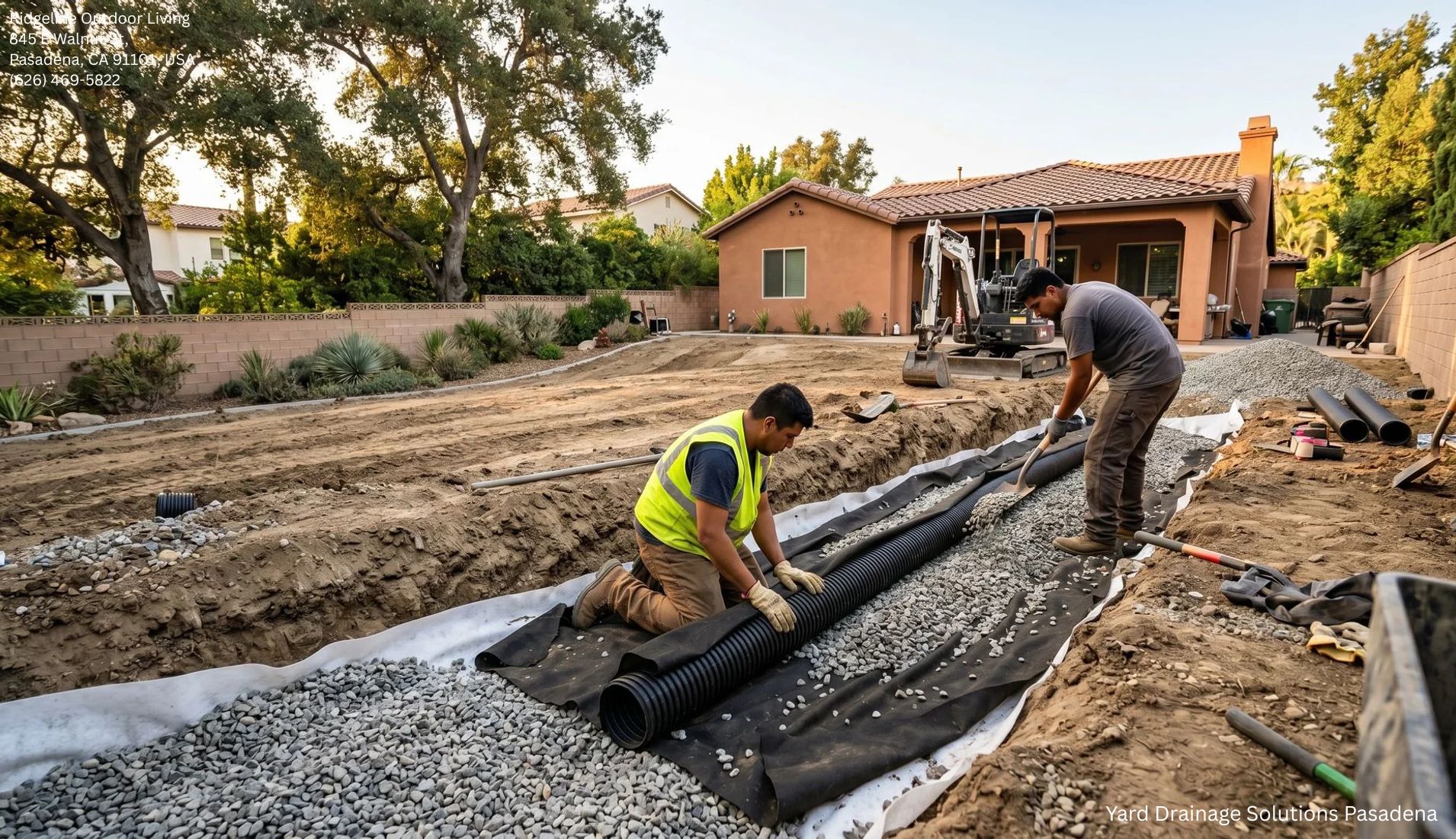
The hidden work sets the tempo. Utilities and drainage move first because they live under everything else. We trench for gas, electrical, low voltage, and best landscaping companies in Pasadena irrigation sleeves before forming concrete or laying pavers. We test pressure and continuity before any backfill. On hillsides, we set subdrains behind where walls will go, and we tie French drains to a lawful discharge. French drains explained in simple terms: a perforated pipe in gravel that intercepts subsurface water and moves it to a safe exit. In Los Angeles clay, that pipe must have consistent fall and a cleanout, and it must not terminate against a neighbor’s wall. It is amazing how much damage an unplanned endpoint can cause.
Inspection timing matters. We book gas and electrical rough inspections so trenches can be closed on the same day. That allows hardscape crews to mobilize without tripping over open work.
Retaining walls and hillside sequencing
For walls over a certain height or supporting loads, we bring in an engineer. The design drives excavation width, steel schedule, and footing depth. A typical block or poured concrete retaining wall includes a footing, stem wall, waterproofing, weep holes or a subdrain, and compacted backfill. The inspector will want to see the footing and steel before pour, then the stem steel, then occasionally waterproofing before backfill. We sequence crews so each stage flows into the next. On tight hillsides, access narrows the window. Sometimes the only workable sequence is to build the wall in sections with temporary shoring to protect the slope. It is slower per linear foot but faster than restarting after a slide.
Homeowners frequently ask how retaining walls prevent erosion on hillside properties. The short answer: they do not by themselves. The long answer is that stability comes from managing water first, then building the wall to resist the remaining forces. Surface drains that keep water off the slope, subdrains that relieve pressure, and plantings with deep, fibrous roots complete the system.
Hardscape that anticipates use, utilities, and movement
We like pavers in many Los Angeles contexts because they flex with minor substrate movement and make future utility access manageable. They pair well with expansive soils and with projects that include significant trenching. If a client prefers a clean, modern plane, we consider large-format porcelain pavers on pedestals or a heavily reinforced monolithic pour with saw cuts that align with the architecture.
On driveways, we discuss the most popular driveway materials in Los Angeles with a clear eye on maintenance. Concrete still dominates, but permeable pavers bring stormwater benefits that align with local regulations and can reduce runoff. For curb appeal on homes where approach matters, 15 driveway paving ideas to improve curb appeal include simple banding, color variation that picks up tones from the house, or a strip pattern that narrows the visual width of a wide drive. The best choice is the one you can maintain in year five, not just the day we seal it.
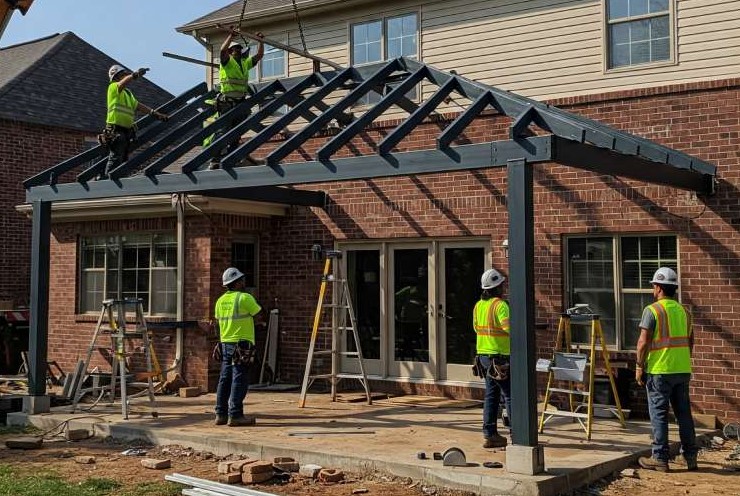
For patios, we refer to 15 paver patio designs Los Angeles homeowners love as inspiration, but the plan must honor traffic flow from doors, group seating, and the relationship to shade. Nothing ruins a patio like a path that pinches between a column and a planter.
Outdoor kitchens, fire, and water features without schedule drag
Clients often ask, how much does an outdoor kitchen cost in Los Angeles. We see functional, built-in kitchens start around the mid twenties when utilities are close and finishes are standard. Island layouts with stone veneer, a 36 inch grill, side burner, sink, and undercounter fridge often land in the 30 to 50 range. When the design includes premium appliances, bar seating, or custom steelwork, the number climbs. Utility distance and access move the needle most. A 70 foot trench through mature landscaping is not the same cost as a 15 foot run along a new walkway.
Business Name: Ridgeline Outdoor Living
Address: 845 E Walnut St, Pasadena, CA 91101, United States
Phone: (626) 469-5822
Ridgeline Outdoor Living
Ridgeline Outdoor Living is a Pasadena-based landscape design-build company serving Greater Los Angeles with custom outdoor living, hardscape, and drought-tolerant landscape solutions. The company specializes in patios, retaining walls, outdoor kitchens, drainage, hillside projects, and turnkey landscape construction, handling projects from design and permitting through final build and warranty.
845 E Walnut St, Pasadena, CA 91101, USA
Business Hours:
- Monday – Saturday: 8:00 AM – 6:00 PM
- Sunday: Closed
Follow Us:
We guide selection through outdoor kitchen trends Los Angeles homeowners are choosing right now. Demand is strong for hybrid grills that combine gas and charcoal, ice wells that double as planters when not in use, and cladding that looks like wood but won’t weather in the sun. Outdoor kitchen features that are worth the upgrade in our experience include a proper vent hood under a roof, a trash pull-out to keep critters away, and a heat-resistant, low-porosity counter material that laughs off red wine, turmeric, and hot pans.
Fire features add a year-round focal point. 12 backyard fire pit ideas for entertaining year-round span from built-in concrete benches around a linear burner to portable bowls set on gravel courts. In Los Angeles, we plan for prevailing wind and proximity to neighbors. We also plan for gas pressure. A long run that feeds both a grill and a high-BTU burner needs sizing that accounts for simultaneous use.
Water features calm the space and help with street noise. 12 water feature ideas for luxury Los Angeles backyards inspire discussions, but execution rests on good waterproofing, correct pump sizing, and a clean equipment pad with accessible valves. We stub for power and low voltage early and run a dedicated line to avoid nuisance trips.
Lighting that is installed once, not twice
We see 10 outdoor lighting mistakes that reduce curb appeal over and over. Fixtures mounted before hardscape is finished and then moved. Transformers undersized for the load. Conduit pathways ignored until after concrete is poured. Our sequencing locks lighting early. We establish transformer locations near power, in ventilated, discreet spots. We run conduit under every walkway we think might ever need light. We label home runs at the transformer and at the fixture, so maintenance is not a guessing game. When the planting plan is set, we tune lumen output and beam spread so plants are accented without glare.
If you need ideas, 10 outdoor lighting ideas for Los Angeles landscapes keeps our design team thinking about layers: path, task, accent, and ambient. The technology changes, but the principle stays the same. Light the verticals, not just the ground, and keep color temperature consistent.
Planting that matches climate, irrigation that respects water
Drought-tolerant landscaping is not a look, it is a system. The ultimate guide to drought-tolerant landscaping in Los Angeles would start with soil, grading, hydrozones, and then move to plant selection. The best drought-tolerant plants for Los Angeles yards share a few traits: deep roots, seasonal interest, and tolerance for our temperature swings. We mix natives like ceanothus and manzanita with Mediterranean workhorses such as rosemary, lavender, and olive. For instant structure, we use arbutus, sculpted pittosporum, or palo verde where space allows.
Irrigation is drip heavy, with pressure regulation and filters sized for longevity. We isolate trees from shrubs where possible to give each the water they need without waste. Mulch at 2 to 3 inches reduces evaporation. A smart controller earns its keep when it is programmed to learn sun, shade, and wind in your yard, not just a zip code.
Artificial turf vs sod remains a hot discussion. Artificial turf installation can look perfect on day one, drain well with the right base and infill, and slash water use. It heats up in direct sun and needs careful detailing at edges to look natural. Sod cools the yard and feels good under bare feet, but it comes with water and maintenance. For many clients, a mix of synthetic play areas and real planting elsewhere works best.
Drainage that works the first time
We often meet yards that flood against the house in a heavy rain. How to prevent yard flooding with proper drainage solutions is less mystery and more discipline. The system starts with grade. A quarter inch per foot away from structures where possible, then drains that are sized for the tributary area. Catch basins at low points that are actually low, not placed at random. French drains where water wants to move through the soil. And a discharge point that does not cause a new problem. 10 signs your yard needs better drainage include efflorescence lines on the foundation, soggy spots days after a storm, or grass that refuses to thrive in one corner. When we see those, we trace causes before we sell solutions.
Shade, comfort, and the social plan
Why Los Angeles homeowners are investing in custom pergolas has little to do with trend and more with the way our sun behaves. We aim shade where the afternoon hits hardest and consider roofs or slatted structures based on the use. Pergolas vs covered patios is a trade between airflow and full weather protection. The more insulated and permanent the roof, the more we plan for venting, lighting, and even heaters for cool nights.
Designing the perfect outdoor dining space takes an honest headcount and a tape measure. A table for eight needs about 12 by 14 feet including circulation. We allow space for chairs to slide and for a server to pass by without bumping elbows. If the space shares with a kitchen, we separate cook and guest paths so no one stands in the fire line.
The build, compressed without compromise
Once foundations, utilities, and drainage are in, the project accelerates. We frame walls and counter bases while concrete cures elsewhere. We preassemble kitchens off-site when feasible, then drop them fast once counters are set. We set transformers and run low voltage in parallel with planting pits so fixtures and plants can go in within the same week. That rhythm only works if inspections are pre-scheduled and if subs know they are part of a sequence, not one-off tasks.
Punch lists are short when crews are coordinated. Our super walks the job with blue tape and a moisture meter before you ever see the site. We prefer to correct grade at the stringline stage, not with extra mortar later. We check every valve and every outlet. Only then do we invite the client walk, so the final list is truly final.
How we manage change without losing momentum
Change happens. A client sees a new tile, a neighbor adds a fence, or a delivery date slips. The key to speed is not saying no to change. It is putting changes into the critical path without allowing them to blow up unrelated work. When a material delay is unavoidable, we resequence. Maybe we finish the fire pit, lighting, and planting first, then return for the kitchen when the counters arrive. We protect finished surfaces with rigid board and skip daily plastic that fails under feet. We reorder checklists so inspectors see what is ready fast and return with minimal downtime.
Timelines that reflect the real world
A compact backyard with a new paver patio, a small kitchen, low walls, and lighting, with utilities within 20 to 30 feet, typically runs 6 to 10 weeks once permits are in hand. Add a retaining wall on a hillside and that same project might extend to 10 to 16 weeks due to engineering, inspections, and careful excavation. Weather and access play large roles. A rainy week can stall grading for days because soils must be dry enough to compact. A narrow side yard may require smaller equipment, which slows production but preserves your house and your neighbor’s.
Common mistakes we avoid by sequencing well
We have fixed many projects that went off the rails elsewhere. The pattern is familiar. Concrete is poured before anyone thinks about conduit. The grill shows up after the counters are cut. A drainage outlet is buried under a new wall. Ten outdoor lighting mistakes that reduce curb appeal appear because someone lit the walkway only and forgot trees and facade. Most of these issues trace back to poor order, not bad intent. Our process simply insists that every downstream need is considered before an upstream task is closed.
A homeowner’s role in a fast build
You can help. Decisions made quickly keep crews moving. Approvals recognized early keep the inspector friendly. Access cleared daily saves us hours each week. And a direct communication line with your project manager means questions get resolved in minutes, not days.
Here is a short readiness checklist we share before mobilization:
- Confirm final appliance models and finishes so cut sheets match field dimensions. Approve paint, stain, and grout colors with on-site samples in daylight. Clear access paths and identify any items that must be protected or relocated. Provide HOA or neighbor contact info if courtesy notices are required. Verify hose bibs and power outlets are active for construction use.
Materials and tasks with outsized lead times
Not everything takes weeks, but a few things frequently surprise clients. We flag these items early and, where possible, order them as soon as design intent is set.
- Custom metalwork such as pergola posts, privacy screens, and gates. Porcelain pavers or large-format slabs from overseas lines. Outdoor appliances during peak season, especially specialty grills and pizza ovens. Specialty lighting fixtures and transformers when we deviate from stock wattages. Engineered components, including retaining wall steel packages and shop-drawn elements.
Designing for value, not just speed
We bring value engineering into design the right way. Not by stripping features, but by finding smarter equivalents. For example, 15 luxury hardscape ideas for Southern California homes often feature stone that is hard to source quickly. We can sometimes achieve a similar look with a local or domestic product that sets faster and costs less without feeling like a compromise. Where fire and water combine, 15 fire and water feature ideas for modern landscapes show striking forms. We make them buildable by simplifying internal structure and standardizing pump and burner components across features to streamline maintenance.
If you are building around a pool, we have a deep library of pool landscaping ideas for Los Angeles homes. Here, sequencing becomes safety critical. We coordinate barrier inspections, set non-slip finishes, install low voltage with GFCI protection, and phase planting so fine debris does not clog your system the first week.
Picking the right partner
Ten questions to ask before hiring a landscape contractor boil down to this: who will be on site daily, how will you handle permits and inspections, what happens if a material is delayed, how do you protect finished work, and can I speak to clients whose projects look like mine. Add one more. Ask to see a sample schedule. A builder who cannot show sequencing on paper will not suddenly find it in the field.
We work across a spectrum of projects, from 10 outdoor living ideas transforming Los Angeles backyards on smaller footprints to full estate hardscapes. The sequencing discipline is the same. Start with site intelligence, align scope and budget honestly, permit what needs permitting, release long-lead items early, build subsurface work first, and then flow into finishes without doubling back.
What speed buys you, beyond a shorter calendar
A tightly sequenced project is easier on your neighbors and your nerves. Fewer stops mean less noise over a longer period. A clear plan means inspections feel routine. Your investment benefits, because crews spend their time building, not waiting. And the result feels cohesive. Planting goes in when the first warm days arrive, not the hottest week of August. Lighting is tuned when nights are still pleasantly cool. The first dinner under the pergola does not share space with a concrete cure.
We like to say we build stunning outdoor spaces, but we know how they happen. A thousand small choices in the right order, informed by experience. That is the Ridgeline way.