If you have lived in Los Angeles for a while, you know the backyard does real work. It is where we cool off in the evening, entertain when the marine layer lifts, and find a dry, durable surface that stands up to Santa Ana winds and a long dry season. Hardscape is the backbone of that outdoor life. It is also where project budgets rise or fall. After building patios, retaining walls, outdoor kitchens, and driveways across the county, here is a clear, practical breakdown of what hardscape construction tends to cost in Los Angeles and why.
What counts as hardscape, and why LA pricing sits at the high end
Hardscape is anything built from masonry, concrete, stone, metal, or wood that shapes how you use your yard. Paver patios and driveways, cast-in-place concrete, retaining walls for hillside properties, outdoor kitchens, pergolas, fire features, water features, and drainage systems all fall under this umbrella.
Los Angeles pricing often runs higher than national averages for three reasons. Labor rates are elevated, permitting and inspections can be more involved, and access is tough on many lots. Narrow side yards, long uphill hauls, or limited street parking slow production and increase costs. Many neighborhoods also sit on slopes or expansive clays, which means thicker bases, deeper footings, and sometimes engineering.
The short version: realistic ranges we see regularly
Think of these as ballparks based on recent work in Los Angeles County. Materials, site conditions, and design details can tilt numbers up or down.
- Paver patios and walkways: 25 to 45 dollars per square foot for standard concrete pavers on a compacted base, 45 to 70 for premium pavers, patterns, or heavy cutting. Natural stone set on mortar typically runs 45 to 90 plus. Cast-in-place concrete: 12 to 20 per square foot for broom finish, 18 to 28 for integrally colored or sandblast finishes, 25 to 40 for stamped concrete with multi-color release. Driveways: 12 to 22 per square foot for standard concrete, 18 to 28 for stamped or decorative, 25 to 45 for concrete pavers. Permeable pavers generally add 5 to 12 per square foot due to deeper bases and washed aggregates. Turf block drive aisles often land between 24 and 38. Retaining walls: 60 to 120 per square foot of face for segmental retaining wall blocks in typical conditions. Masonry, stone-veneer, or cast-in-place walls with integrated drainage and footings commonly run 120 to 220 plus. Add engineering and geogrid for height, and budgets rise meaningfully. Outdoor kitchens: 18,000 to 45,000 for a straightforward run with basic appliances and stucco finish. 45,000 to 95,000 for L or U shapes with premium appliances, stone or porcelain cladding, and utilities routed under existing hardscape. High-spec kitchens with roofs, pizza ovens, and refrigeration clusters can cross 100,000 to 150,000. Pergolas and covered structures: 8,000 to 25,000 for a freestanding aluminum pergola. 18,000 to 60,000 for a custom wood pergola with lighting. Motorized louvered roofs often start around 35,000 and reach 85,000 with integrated drainage and lighting. A true covered patio with posts, beams, and roofing typically ranges 45,000 to 150,000 depending on span and finishes. Fire features: 2,500 to 9,000 for a simple gas fire bowl or linear trough tied to nearby utilities. 12,000 to 35,000 for custom concrete or stone fire tables with long runs of gas, new valves, or wind screens. Outdoor fireplaces usually fall between 25,000 and 60,000. Water features: 8,000 to 30,000 for a recirculating fountain, spillway bowl, or rill. Multi-tiered walls, long scuppers, and premium stone often run 35,000 to 100,000 when you add hidden basins, lighting, and controls. Artificial turf: 14 to 22 per square foot installed for quality turf with proper base, infill, and seams. Larger athletic areas with shock pad or specialty infills cost more. Compared to sod at roughly 3 to 8 per square foot installed, turf costs more upfront, but it cuts water use and maintenance long term. Landscape lighting: 300 to 600 per fixture installed for solid-brass or stainless fixtures and a reliable transformer. Expect 3,000 to 15,000 plus for a comprehensive system on a quarter to half acre.
These ranges assume competent prep and base work. Skipping geotextile on clay, thin bases, or light-duty compaction produce low bids and early failure. Los Angeles soil realities, traffic, and heat demand a sturdier build.
How design choices shape budget: pavers vs. Stamped concrete, and beyond
A patio or driveway is a good example of how choices echo in both cost and performance. Paver patios remain popular because they handle thermal expansion without cracking and are easy to repair. There is a reason “15 Paver Patio Designs Los Angeles Homeowners Love” could fill a lookbook. That said, stamped concrete still attracts clients who want a continuous surface without joints and a lower upfront number.
The honest trade-off looks like this. We see stamped concrete age faster where irrigation overspray, salt near the coast, and hot sun chew at sealers. Cracks, even with control joints, can show. Pavers may cost more day one, but if a utility trench is needed later or a corner settles, individual units can be pulled and reset. In tight urban settings or high-impact entertainment zones, the modular repairability is valuable. For small courtyard spaces where the pattern is simple, stamped concrete can be right if the soil base is stable and maintenance happens on schedule.
The same pattern applies across features. A masonry retaining wall with a real-stone veneer carries more weight, literally and aesthetically, than a segmental block wall. On a hillside lot in Silver Lake, the engineered masonry wall stabilized a driveway and left room for tightly terraced planting pockets. It cost more than a block system but returned value in resale and cured an erosion headache that had haunted inspections for years. The lesson: the cheapest path rarely aligns with Los Angeles hillside realities.
The cost drivers that move numbers up or down
Here are the five variables that most often swing a hardscape budget in Los Angeles.
- Site access and logistics: Tight side yards, long uphill wheelbarrow runs, crane or forklift needs, and limited street parking can add 5 to 20 percent. Soils, slope, and drainage: Clay or fill soil, perched groundwater, and hillside cuts necessitate thicker bases, deeper footings, geogrid, and French drains that add measurable cost. Utilities and infrastructure: Trenching for gas lines, new electrical circuits and subpanels, or tying into undersized plumbing increases both labor and permitting fees. Structural and permit requirements: Engineering for retaining walls over 3 to 4 feet, roofed structures, or any work in hillside or coastal zones brings drawings, plan check, and inspections. Finish level and complexity: Premium stone, porcelain pavers, intricate patterns, long linear fire features, and fully outfitted outdoor kitchens carry higher material and fabrication costs.
On a recent project in Studio City, access was the issue. A 36-inch side yard and twenty-two steps from the street turned a mid-range paver job into a high-effort production. We used smaller equipment, more laborers, and winched pallets up a temporary track. The patio still turned out beautifully, but the logistics added about 12 percent to the original estimate. It was the right call given the property, and it is a common story in the hills.
What permitting and engineering typically cost
Permits and engineering are not glamorous, but they are part of most durable builds. Expect 500 to 5,000 in permit fees for straightforward flatwork, drains, and a non-structural pergola, more if you are in a hillside or coastal zone. Structural retaining walls, roofed patio covers, and significant grading require plans and calculations. Engineering on small to mid-size projects commonly runs 2,500 to 15,000. If you need soils reports, shoring, or caissons for extreme slopes, professional fees can reach 15,000 to 40,000. In a handful of Bel Air and Hollywood Hills jobs with serious movement, stabilization elements have run 30,000 to 120,000 before facing material. Those cases are not ordinary, but they exist.
Hidden line items that separate a solid bid from a flimsy one
When we audit competitor estimates that seem too good to be true, we find one of three things. The base layer is too thin for the soil class, demolition and haul-off are undercounted, or utilities are treated as a vague allowance instead of measured scope.
Demolition and disposal are easy to underestimate. Breaking out 800 square feet of 5-inch concrete with rebar, then hauling from a steep lot to a transfer station on a hot day, is not trivial. We factor 2 to 6 per square foot for concrete removal depending on thickness, reinforcement, access, and dump fees. Dirt export or import can run 45 to 95 per cubic yard delivered and compacted once you count trucking, labor, and compaction. Utilities add further structure: trenching usually lands around 60 to 120 per linear foot in finished yards. A new gas line can cost 2,000 to 6,000. A subpanel or new circuits for a kitchen and lighting run 2,000 to 5,000, and a drain tie-in or sump pump might be 4,000 to 12,000 depending on elevation.
These are not overages, just the real inputs that make outdoor spaces work through winter rains and summer heat. They should be spelled out clearly in the contract.
Drainage and hillside realities, and why they are worth the spend
Drainage is not a glamorous line on a proposal, and yet it is the line that prevents flooding claims. After the intense atmospheric rivers we have seen, we now design drainage to a higher standard as a matter of course. French drains typically cost 70 to 120 per linear foot when built properly with filter fabric, washed stone, and perforated pipe pitched to daylight or a sump. Area drains with catch basins, downspout tie-ins, and discharge lines may run 1,500 to 6,000 per zone. Where gravity fails, a sump and pump set can add 4,000 to 12,000.
On hillside properties, retaining walls do double duty. They prevent erosion and create flat, usable pads. We often recommend segmental retaining walls with geogrid for walls under 6 to 8 feet and cast-in-place with steel for anything more demanding. Drainage behind those walls, including weep holes and properly wrapped backfill, is not optional. “Retaining Walls for Hillside Properties: What Homeowners Need to Know” comes down to this: water is always the enemy, and your wall should be designed to manage it forever.
Sample budgets that mirror real projects
To help you map ideas to numbers, here are common bundles we build and what they cost when done well.
- Essential patio refresh: 350 to 600 square feet of pavers, a small seating wall, low-voltage lighting at steps, and a few drains. Typical budget: 20,000 to 45,000 depending on access and paver choice. Family entertainer: 700 to 1,000 square feet of porcelain or premium pavers, gas fire pit with wind guard, 10 to 14 fixtures of landscape lighting, and integrated planters. Typical budget: 55,000 to 110,000. Outdoor kitchen and dining: 18 to 24 linear feet of kitchen with grill, side burner, refrigerator, storage, stone cladding, overhead pergola with lights and fan, and utilities run from the main panel and gas meter. Typical budget: 65,000 to 140,000, influenced heavily by appliance selections. Hillside terrace: 40 to 60 feet of retaining wall at 4 to 6 feet high with drainage, new stairs, paver landings, and guardrail. Typical budget: 85,000 to 180,000 before adding kitchens or roofs. Driveway rebuild: 800 to 1,200 square feet, structural base, apron, and gate keypad stub-outs. Typical budget: 18,000 to 55,000 for concrete, 28,000 to 75,000 for pavers, more for permeable sections.
If you want a resort feel, combine elements from the “10 Ways to Create a Resort-Style Backyard at Home” playbook: a louvered pergola, long linear fire, and a slim water wall. Bundled together with premium finishes and controls, this kind of project regularly runs 150,000 to 350,000, particularly if the yard starts with poor access or extensive demo.
Artificial turf vs. Sod: costs and long-term trade-offs
Los Angeles homeowners ask this weekly. Upfront, sod is cheaper at 3 to 8 per square foot installed, and it gives instant green. In summer, though, you are watering three to five times per week. Turf’s installed price of 14 to 22 per square foot covers base prep, weed barrier, turf, infill, and seam work. Over five to seven years, most clients recoup the difference through reduced water, mowing, fertilizing, and overseeding. For pet runs or shaded areas where grass thins out, artificial turf is usually the pragmatic choice. In high-heat microclimates, we specify lighter turf shades and shade trees to moderate surface temperatures.
Fire and water features: what pushes them into luxury territory
A simple fire bowl on a nearby gas stub, a short run of 1.25-inch hard pipe, and an ignition kit can land under 6,000. Where budgets climb is length, cladding, and wind. A 10 to 12 foot linear fire table in poured-in-place concrete or large-format porcelain, glass wind screens, and a 60 to 90 foot gas run with a new regulator and shutoff will push the total into the teens or twenties. Outdoor fireplaces involve footings, flue design, and a lot of masonry hours, which is why they start near 25,000.
For water, an off-the-shelf bowl with a hidden basin is the entry level. A custom scupper wall with a wide spill, LED niche lights, and a buried reservoir sized to capture splash-out is a different scope. Once you add auto-fill, dedicated power, and stone you cannot easily lift, the labor curve steepens.
If you enjoy trend-spotting, look at “15 Fire and Water Feature Ideas for Modern Landscapes.” In Los Angeles, we see thin, horizontal lines of flame and water paired with restrained materials like basalt, limestone, or plaster. Minimal looks still require careful guts behind the wall.
Lighting: the small line item that changes everything at night
Lighting is low drama and high impact. Good fixtures, proper beam spreads, and thoughtful switching deliver a yard you will use nightly. Expect 300 to 600 per fixture installed for durable, serviceable components. Path lights, step lights, and up-lights on a transformer with extra capacity allow for growth. A 12 to 20 fixture system, tuned to highlight trees, walls, and circulation, typically runs 4,500 to 10,000. The pitfalls that tank curb appeal are easy to avoid, which is why we often talk clients through “10 Outdoor Lighting Mistakes That Reduce Curb Appeal” before we wire anything.
Timelines, phasing, and how we stage work
Small patio or driveway projects run 2 to 4 weeks from mobilization if utilities are nearby and the city does not require a separate driveway apron inspection. Mid-size builds with kitchens and walls take 6 to 10 weeks. Larger hillside or whole-yard transformations often span 3 to 6 months, particularly if structures and permits are involved.
Phasing is common. We might rebuild the driveway and drainage first, then install the patio and kitchen, then add lighting and plantings at the end. This approach protects finished surfaces and keeps the site safe and tidy. For families living through construction, it also preserves a usable area of the yard as long as possible.
Maintenance, warranties, and what to budget after the ribbon-cutting
Quality hardscape is not maintenance-free, but it is predictable. Plan for these annual or semi-annual tasks and costs:
- Reseal stamped concrete every 2 to 3 years, factoring 1.50 to 3.00 per square foot for cleaning and sealing. Re-sand paver joints with polymeric sand if heavy cleaning or flooding washes them out. Inspect and flush drains before the first big rain. Check outdoor kitchen appliances, burners, and ignition for debris or corrosion once per season. Replace failed lighting lamps or adjust aim as trees grow.
We warranty our workmanship, and many manufacturers back pavers and fixtures with long warranties. A typical structure is 2 to 5 years on settlement and workmanship for pavers and walls, 1 year on irrigation and gas controls, and lifetime on many solid-brass lighting fixtures. Warranties are only as good as the maintenance they require, so we include an owner’s manual with service intervals and simple tasks.
Business Name: Ridgeline Outdoor Living
Address: 845 E Walnut St, Pasadena, CA 91101, United States
Phone: (626) 469-5822
Ridgeline Outdoor Living
Ridgeline Outdoor Living is a Pasadena-based landscape design-build company serving Greater Los Angeles with custom outdoor living, hardscape, and drought-tolerant landscape solutions. The company specializes in patios, retaining walls, outdoor kitchens, drainage, hillside projects, and turnkey landscape construction, handling projects from design and permitting through final build and warranty.
845 E Walnut St, Pasadena, CA 91101, USA
Business Hours:
- Monday – Saturday: 8:00 AM – 6:00 PM
- Sunday: Closed
Follow Us:
How to control cost without cheapening the result
A few proven tactics keep budgets sensible while preserving function and feel.
Shift complexity away from structure. Choose a clean, rectilinear patio with a quality paver or porcelain and let furnishings, planters, and lighting create the interest. Complex borders and curves add cutting time.
Separate must-haves from nice-to-haves. If the gas line run for a distant fire feature threatens the budget, we might place the feature closer to the kitchen and add a low-voltage lighting flourish where the fire would have been.
Respect drainage and base work. Save on finishes before you shave inches off the base or skip a French drain. Fixing water and settlement later is the most expensive path.
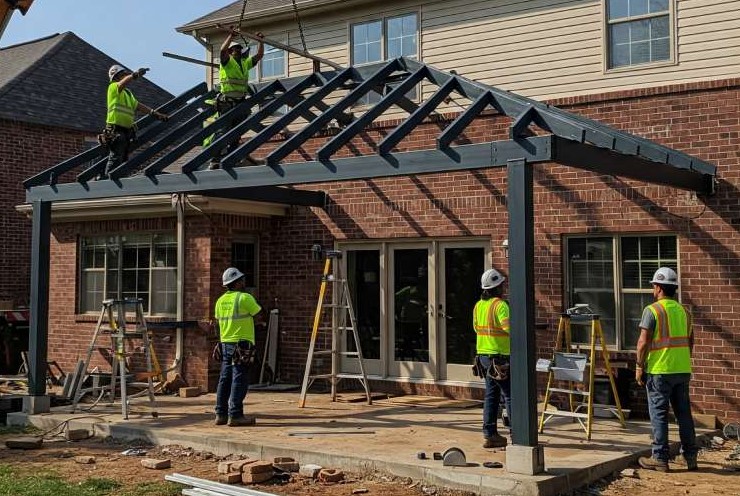
Leverage smart design. A simple pergola, carefully scaled with shade cloth and a fan, can outperform a cheaper but overbuilt roof in both comfort and aesthetics. That is the essence of “Pergolas vs Covered Patios: Which Is Right for Your Home?” Your site, wind, and sun patterns decide.
Choose materials with readily available stock. Special-order porcelain that stalls for eight weeks costs money twice, once in material and again in idle time.
When budgets collide with Los Angeles geology: an anecdote
A homeowner in Mount Washington wanted a 900 square foot patio overlooking the canyon, an outdoor kitchen, and a fire pit. The design was clean and not particularly exotic. Early test pits told a different story. Fill soil to 5 feet, then fractured shale. We brought in a soils engineer, thickened the base, specified geogrid in two layers under the pavers, and tied a French drain to a daylight discharge on the downslope. It added roughly 18 percent to the original estimate before a single paver was laid. That money did not show in glossy photos, but the first big winter made the case. The neighboring yard took on water and movement. Our client’s patio drained and held perfectly, the kitchen doors opened square, and the linear fire lit every night. In Los Angeles, correct unseen work is part of the art.
Where value shows up at resale
Not every dollar local landscaping companies in Pasadena in the yard returns equally. Buyers in Los Angeles reward level, durable outdoor rooms, tidy driveways, and thoughtful lighting. “10 Hardscaping Features That Increase Property Value” reads like our punch list: paver patios, outdoor kitchens with gas and electrical in place, retaining walls that create flat pads, well-lit entries, and attractive, low-water lawns using artificial turf or drought-tolerant plantings. In the last five years, we have seen homes with well-executed outdoor living routinely appraise higher and spend fewer days on market, especially when the design feels integrated with the interior flow.
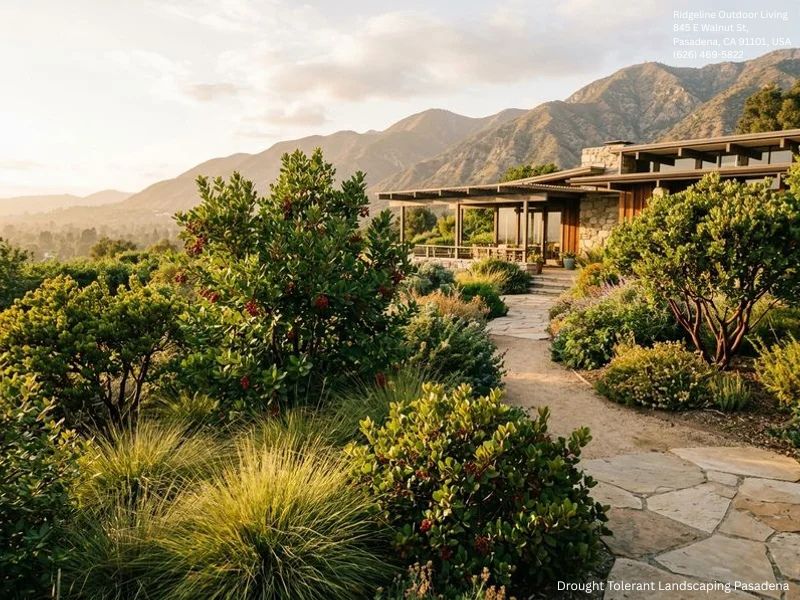
For water-wise upgrades, yards shaped by “The Ultimate Guide to Drought-Tolerant Landscaping in Los Angeles” hold appeal with buyers and comply with evolving city standards. Combining efficient hardscape with thoughtful plants and drip irrigation is how resale and sustainability meet.
How Ridgeline builds and budgets with you
Our process reflects Los Angeles realities and what we have learned from hundreds of builds.
Design-led scoping. We start by aligning goals, budget, and constraints, then we advance a concept that respects drainage, utilities, and your property’s sun and wind. That is how “How Ridgeline Outdoor Living Designs Stunning Outdoor Spaces” becomes more than a tagline. Good design protects the budget.
Transparent estimates. We break out demo, base prep, utilities, finishes, and allowances so you see the levers. If a number worries you, we can adjust scope, materials, or phasing rationally rather than guessing.
Permits and engineering. We manage plan sets, submissions, and inspections. For hillside lots, we coordinate geotechnical inputs and structural details. It is not the flashy part, but it is where timelines are won or lost.
Clean execution. We stage deliveries to respect your neighbors, maintain safe access, and protect any finished surfaces. Foremen stay until punch-list items are done, not until we are tired.
Long-term support. We walk you through maintenance and remain available for adjustments, seasonal lighting tweaks, and future phases. Spaces evolve. Good partnerships do too.
A practical way to start
If you are sketching ideas, here is a simple path that brings clarity fast.
- Identify your top three functional goals, such as dining for eight, a safe play pad, or a quiet reading corner with a fan and light. Gather two to three images that capture the textures and scale you like, not just the color. Note the worst site pain point, such as pooling water at the door or a slippery slope. Set a preliminary budget range you are comfortable exploring. Invite a site walk so we can test assumptions against your soil, access, and utilities.
From there, we can map those goals to a phased plan and honest numbers. Sometimes we begin with drainage and the driveway, because they shape everything else. Other times, a modest paver terrace with a compact kitchen and a few lights unlocks how you will actually live outside, and the next steps become obvious.
Good hardscape in Los Angeles is an investment in daily life. When designed with your property’s constraints in mind and built with the right base, it will handle wet winters, hot summers, and the wear of real use. If you are weighing “Paver Patios vs Stamped Concrete: Pros and Cons,” “Outdoor Kitchen Trends Los Angeles Homeowners Are Choosing,” or how to solve common yard drainage problems in your own yard, let’s walk the site together and build a plan that fits.