Homeowners often begin a landscape project with optimism and a Pinterest board. They picture summer dinners under a pergola, a tidy paver patio, a fire feature that draws a crowd after sunset. Then the realities of grading, drainage, plant selection, utilities, and permitting show up. What looked straightforward becomes a maze of decisions that affect each other, and missteps quickly turn into delays and expensive rework. After years designing and building outdoor spaces across Los Angeles County, I can say with confidence that professional landscape design is not a luxury. It is an insurance policy for your schedule and your budget.
The reason is simple. Design clarifies the whole picture before you break ground. It aligns site conditions, lifestyle goals, and costs into a single plan that trades guesswork for coordination. In a region like Los Angeles, with hillside homes, clay soils, microclimates, and water restrictions, the difference between “winging it” and working from a complete design can be the difference between enjoying your yard by Memorial Day or rebuilding it by Labor Day.
Where the dollars really go on a landscape project
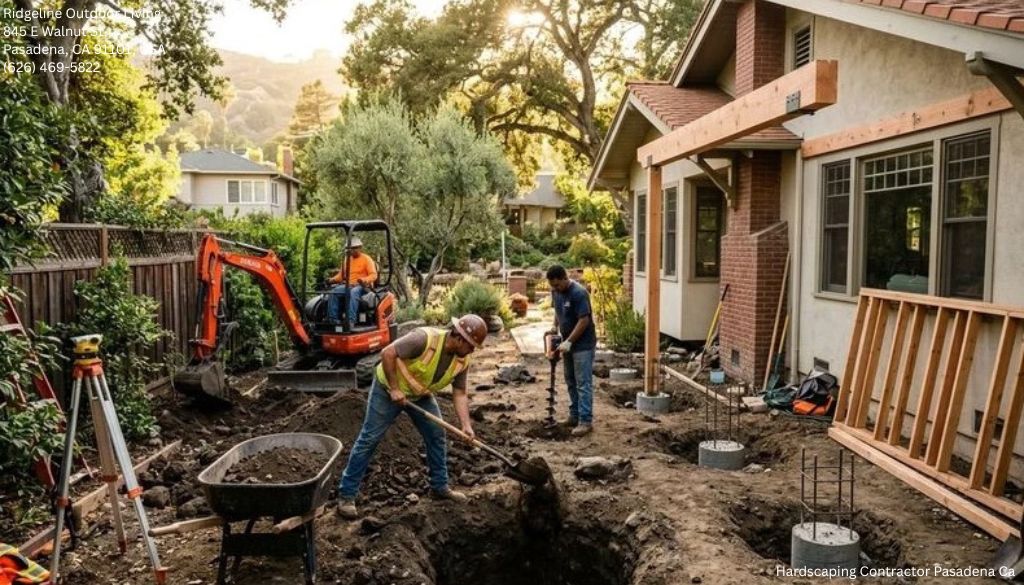
Most of the money is not in the obvious items people list in a wish book. It hides in infrastructure, mobilization, and corrections. Trenches for gas and electric. Subbase for paver patios. Footings for pergolas or covered patios. Reinforcement and drainage behind retaining walls. These are not glamorous, but they determine whether the visible features function and last.
I have seen the same pattern many times. A homeowner buys a grill, then asks for a quick concrete pad. Two months later they realize the path to the kitchen is a dirt track in winter, the seating is in the wrong spot for shade, and the city requires a permitted gas line. The original “simple” project compounds itself. A professional designer would have aligned the outdoor kitchen with utilities, chosen a durable paving material that complements the home, and planned lighting and drainage to keep the area usable year-round.
Costs also climb when phases are not choreographed. You do not want to install a finished paver patio, then cut it to lay conduit for lighting. You do not want to place a heavy water feature on a slab that was never engineered to support the load. Smart sequencing, and details that anticipate the next move, save money two ways: fewer hours on site, and less demolition of finished work.
Design as risk management in Los Angeles conditions
Los Angeles landscapes are site-driven. Soil type varies street by street. Many neighborhoods sit on slopes that shed water quickly in storms. Summer heat, afternoon wind, and salt air shape plant and material choices. A designer treats these as constraints to work with, not obstacles to ignore.
Take drainage. The city sees more intense storm cells than it did a decade ago, and poorly drained yards flood fast. French drains, surface swales, and catch basins are not interchangeable. Each suits a specific problem. If you have a clay-heavy yard in the San Fernando Valley, subsurface drains often need a larger gravel envelope and careful daylighting so the system does not backflow. On coastal flats, low-profile surface drains paired with permeable paving can move and infiltrate water without sending it into your neighbor’s yard. A professional design maps runoff paths and calculates capacity, then selects components that reduce risk. That is time saved during installation and years of avoided water damage.
Hillside properties add another layer. Retaining walls for hillside properties are common throughout Studio City, Silver Lake, and the Palisades. Walls higher than a certain threshold trigger engineering and permits, and the backfill, geogrid, and weep-hole design matters as much as the face material you see. A designer coordinates with a structural engineer early, sizes the wall footings to site soils, and integrates drainage and waterproofing. This avoids change orders that are far more expensive once you have excavated a slope.
The myth of “I’ll figure it out as I go”
DIY planning tends to miss interdependencies. Lighting needs conduit paths, transformer sizing, switching locations, and photometrics to prevent glare. Irrigation needs zoning based on plant water needs, shade patterns, and pressure regulation. Planting design needs mature sizes, root behavior, and bloom cycles, not just nursery availability. Choices in one category ripple into others. Move a pergola 3 feet and you may change wind loads, lighting angles, and trench routes.
When a homeowner or contractor sketches the layout on site without a complete plan, those ripples show up as last-minute pivots. Those pivots cost time because decisions pause crews. They cost money because changes after procurement or rough-in mean waste. A detailed design converts those potential pivots into calculated moves baked into the drawings.
What professional drawings solve before a shovel hits soil
Good drawings do not just look pretty. They carry instructions. Layout plans nail exact dimensions so bids come back apples to apples. Grading plans define elevations that set steps, ramp slopes, and drainage. Lighting plans specify fixture types, color temperature, and beam spread so you illuminate focal points without turning your backyard into a parking lot. Planting plans assign species to microclimates and document spacing to reduce thinning later.
A complete package also includes details. For paver patios vs stamped concrete, for example, it shows base depth, compaction specs, and edge restraints for pavers, or expansion joint layout and reinforcement for stamped concrete. On paper, that is a note or two. In the field, it is the difference between a patio that waves and moves in two summers and a patio that looks sharp in year ten.
Budget clarity prevents false savings
Homeowners sometimes chase the lowest bid without a unified design. The math rarely works out. A contractor who excludes subbase thickness, drainage tie-ins, or utility runs appears cheaper. Once construction starts, those exclusions return as change orders. The final number ends up higher, and the project takes longer.
With a professional design and a matched scope of work, you can lock pricing more confidently. In Los Angeles, for example, an outdoor kitchen cost ranges widely, roughly 15,000 to 60,000 and up, depending on utilities, materials, and appliances. A design that shows the exact linear footage, appliance cutouts, gas and electric runs, ventilation, and finish materials allows a contractor to price it tightly. The same goes for pergolas vs landscaping guides covered patios. A freestanding cedar pergola might start around the low five figures. A fully roofed structure with electrical, footings, and tie-in to the home can be several times that. Drawings make that contrast explicit so you choose with eyes open.
Lifecycle costs beat the lowest upfront price
Short-term savings often backfire in Southern California’s climate. A stamped concrete patio may cost less initially than a high-quality paver system, but if a hillside property moves, the ability to lift and reset pavers without jackhammering offers long-term savings. For high-traffic areas, pavers also make utility access easier. In shaded yards, textured pavers may provide safer traction than smooth stamp patterns when surfaces are wet.
The artificial turf vs sod question is similar. Turf installation often runs more than sod at the start, especially if you include a proper base, drainage fabric, and a quality infill that keeps surface temperatures down. Over a ten-year window, however, turf eliminates mowing, overseeding, and most irrigation. In cities with tiered water rates and drought cycles, the water saved is substantial. That said, turf heats up in inland sun, and not every yard is a candidate. A professional will combine drought-tolerant landscaping with plant massing that frames turf where it makes sense, and switch to groundcovers or permeable hardscape where heat or reflectivity is a concern. That hybrid approach balances aesthetics, comfort, and cost.
The value of getting grading and drainage right the first time
Many of the ugliest problems show up underground. A yard with inadequate slope fills like a basin in the first heavy rain. Water flowing toward a foundation invites settlement and mold. Hardscape that traps water will effloresce and spall. Professional designers take measurements, model cuts and fills, and choose solutions that fit LA soils. Sometimes that is a simple surface regrade that directs water to a parkway. Other times it calls for a French drain paired with a sump pump in a back corner, especially on flat lots with no gravity outlet. Good design also prevents conflicts. For instance, it maps irrigation sleeves under future paths and driveways, so you do not trench through fresh concrete to add a new planting bed a season later.
Business Name: Ridgeline Outdoor Living
Address: 845 E Walnut St, Pasadena, CA 91101, United States
Phone: (626) 469-5822
Ridgeline Outdoor Living
Ridgeline Outdoor Living is a Pasadena-based landscape design-build company serving Greater Los Angeles with custom outdoor living, hardscape, and drought-tolerant landscape solutions. The company specializes in patios, retaining walls, outdoor kitchens, drainage, hillside projects, and turnkey landscape construction, handling projects from design and permitting through final build and warranty.
845 E Walnut St, Pasadena, CA 91101, USA
Business Hours:
- Monday – Saturday: 8:00 AM – 6:00 PM
- Sunday: Closed
Follow Us:
Planting design that thrives on less water
The best drought-tolerant plants for Los Angeles yards are not one-size-fits-all. Inland valleys handle sun-loving species like manzanita and rosemary differently than marine layers near Santa Monica. Evergreen structure plants like olive, oak, or palo verde give bones to a yard, while seasonal layers like salvia, penstemon, and yarrow add color pulses. The irrigation design follows those zones, with matched precipitation rates and pressure regulation. Mulch depth and spacing reduce evaporation and maintenance. Pair that with a smart controller and soil moisture sensors and you have a system that meets the letter and spirit of water-wise regulations.
Design work also shapes maintenance costs. Right plant, right place is more than a slogan. Choosing a hedge that wants to be 12 feet tall for a 4-foot-wide strip means you will pay in pruning forever. Selecting tree species with manageable root behavior near hardscape reduces crack repair. Over ten years, those quiet choices keep bills and headaches down.
Lighting and power planned with foresight
Outdoor lighting drives safety, ambiance, and curb appeal. It also brings complexity. The difference between 2200K and 3000K color temperature changes how stone and foliage read at night. Beam angles and glare control separate elegant grazing on a stucco wall from blinding spill into a neighbor’s window. A lighting plan specifies fixture types, transformer size and placement, voltage drop calculations, and switching locations that match how you live. At the same time, the plan allows for growth. If you might add a pool or a pergola later, conduit pathways and dedicated circuits stubbed to those zones save trenching later. This is how a professional prevents the “I wish we had run a line to that corner” regret.
Hardscape details that add value without surprises
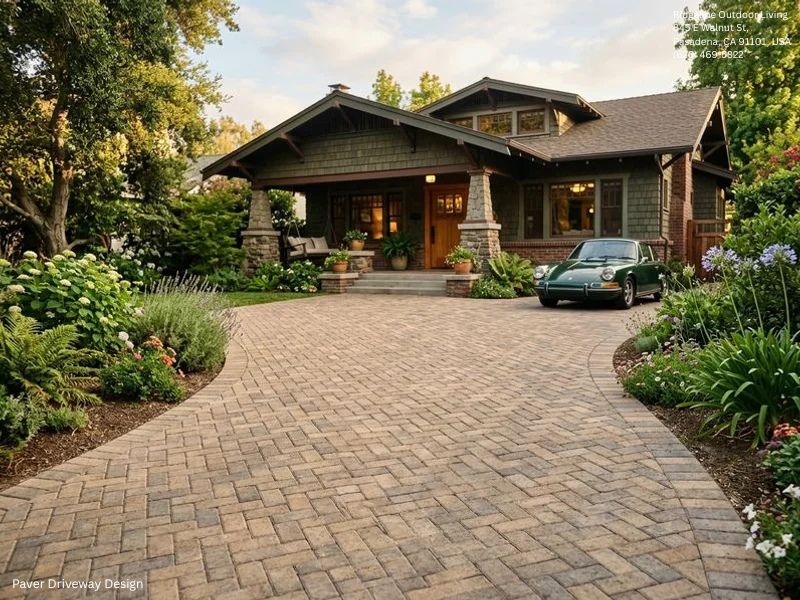
Hardscaping features often carry a home’s resale appeal. A well-designed paver patio, a cohesive set of steps, clean garden walls, and a tidy driveway can rank among the 10 hardscaping features that increase property value. For driveways, Los Angeles homeowners often choose from concrete, pavers, or exposed aggregate. Each has a distinct curb appeal and maintenance profile. Pavers allow patterns and easy spot repairs. Concrete can be economical, but control joints and reinforcement need care to resist cracking. Exposed aggregate gives texture and hides stains better than smooth finishes. A design narrows these options by pairing them with your architecture, budget, and slope conditions, rather than treating the driveway as an afterthought.
On sloped sites, retaining walls prevent erosion and shape usable terraces. The complete guide to retaining walls in Los Angeles would include soil reports, surcharge considerations, and drain mat selection, but from a practical standpoint, good design integrates seat walls with planting pockets, safety railings that meet code, and step dimensions that invite use. When walls serve double duty, you do not pay twice for structure and seating.
Outdoor kitchens, fire features, and entertainment zones without rework
Gathering spaces pay you back every weekend they get used. That said, they can drain a budget when done in pieces. In Los Angeles, homeowners ask how much an outdoor kitchen costs because they have seen both modest islands and full chef setups. The range exists because of scope. A basic island with a grill and storage in a prefab shell might come together around the low end of the range. A custom masonry island with a pizza oven, fridge, sink, heaters, and pergola cover can easily push the high end. Gas trenching length, electrical panel capacity, and drainage for a sink drive costs further. Professional drawings prevent false starts by placing the kitchen where utilities reach efficiently, showing clearances for doors and lids, and planning shading so prep areas are pleasant at 5 p.m. In August.
Fire features bring their own set of details. Built-in linear fire pits look elegant but need gas sizing, ventilation, wind consideration, and safe setbacks from structures and plants. Wood-burning options face restrictions in many neighborhoods. Done right, a fire feature anchors the yard. Done informally, it can smoke out the patio or damage nearby surfaces. A design solves seating depth, step-over comfort, and cross-ventilation, turning a mood board image into something you actually want to sit beside in January and July.
How design-build compresses timelines
At Ridgeline Outdoor Living, we operate as a design-build team. That changes timelines in your favor because the same group that draws your plans also builds them. Materials are chosen with lead times in mind. Dimension choices anticipate standard sizes to limit custom fabrication delays. Utilities are located early so inspectors have clear details. When change is necessary, it passes through designers and builders who already know the project, rather than a cold handoff.
We typically begin with a site walk to learn how you use your yard. A family that hosts large gatherings needs circulation and zones that do not bottleneck, which affects paver sizes, step widths, and lawn placement. A couple who values quiet mornings may want a single luxury feature, like a water wall or a covered dining space, curated for low maintenance. The concept package that follows puts numbers to ideas. Instead of a vague “nice patio,” you see a 600-square-foot porcelain paver terrace, a 12-foot cedar pergola, a 16-foot kitchen run with a 36-inch grill, and specific plant palettes. From there, construction documents add the technical layers: grading, drainage, lighting, irrigation, and details for inspectors.
This process saves time because it reduces friction. It saves money because it reduces unknowns and keeps crews moving. And it saves sanity because you approve the plan once, rather than every morning on site.
Hidden costs a professional design prevents
- Re-excavating for utilities because no one mapped conduit runs or sleeves under finished hardscape Regrading or adding surface drains after the first storm reveals ponding near doors or low points Rebuilding retaining walls that were not engineered for surcharge from a driveway or slope above Ripping out planting beds because mature plant sizes were ignored, blocking windows or pathways Upgrading panel capacity late because outdoor kitchen or lighting loads were not calculated
Each of these scenarios is common. Each is avoidable with sound planning. None of them is cheap to fix after the fact.
Small decisions that sharpen curb appeal and appraisal
Value is not only square footage. It is how a property feels to live in and how confidently a buyer reads the upkeep. A driveway paving idea that suits a Spanish bungalow may be a warm-toned clay brick or tumbled paver in a herringbone. For a modern home, large-format pavers with gravel joints create rhythm without visual clutter. Outdoor lighting that grazes a stucco wall and accents specimen trees lifts a home at night. These moves photograph well, but more importantly, they telegraph low maintenance and careful upgrades to appraisers and buyers. That is why 10 ways to create a resort-style backyard at home often start with simplicity and cohesion, not expensive gadgets.
When you might not need a full design package
Not every project needs a 20-page plan set. If you are resurfacing an existing concrete walkway with the same layout, or replacing a small drip zone like-for-like, a light touch may suffice. The moment you add walls, change grades, relocate utilities, or build structures, the calculus changes. Permits, inspections, and engineering become relevant, and a design becomes necessary.
- You plan to alter grading, add or move retaining walls, or cut into a slope You want an outdoor kitchen, fire feature, or new electrical runs You need to solve yard drainage problems that affect your home or neighbor You are choosing between paver patios vs stamped concrete, turf vs sod, or other material trade-offs Your site has HOA oversight, a coastal zone overlay, or complex access that affects sequencing
If any of these ring true, invest in design first. The spend is a fraction of what you will pay for corrections.
Permitting, inspections, and neighbors
Los Angeles area jurisdictions vary by city, but common threads exist. Gas lines need pressure tests, electrical runs need GFCI protection and load calculations, and structures need setbacks and anchoring that meet code. On hillsides, grading thresholds can trigger additional oversight. A design team fluent in local requirements stages documents for each review, communicates with inspectors, and sequences work to avoid idle time. On projects with tight access or shared easements, professional planning also coordinates deliveries and noise windows to keep neighbor relations smooth. That social capital matters when projects last weeks rather than days.
Phasing a master plan to match your budget
A master plan pays for itself when you build in phases. Start with infrastructure: grading, drainage, utilities, and primary hardscape. Then add features like a pergola, outdoor kitchen, or spa as budget allows. Because the plan anticipates future phases, you place sleeves and stubs now. When you return for phase two, you do not sawcut paths or trench through planting beds. The yard evolves without waste.
Clients often ask whether to start with the front yard or the back. It depends on goals. If curb appeal and appraisal are priorities ahead of a refinance or sale, the front may come first. If lifestyle improvements drive the project, the back wins. A master plan shows how each phase supports the other, and the budget aligns accordingly.
Case notes from recent Los Angeles projects
A Mid-City bungalow with a narrow side yard needed a dining space, herb garden, and privacy screening. The client initially wanted a stamped concrete patio because of cost. The design process showed how large-format pavers over a stabilized base could eliminate joints that telegraph cracks and provide permeable gaps for drainage. licensed landscapers Pasadena We ran conduit for café lighting and a future heater, and selected drought-tolerant plantings that hit color notes spring through fall. The build finished two weeks earlier than the client expected because no change orders were required. Three years on, the patio remains level, herbs thrive, and water clears in minutes after storms.
In Sherman Oaks, a hillside property with a crumbling timber wall needed terracing. The homeowner collected images of sleek poured-in-place walls. Our design paired a geogrid-reinforced block system, veneered for the modern look, with an integrated bench and hidden lighting. Weep holes and a drain mat behind the wall eliminated hydrostatic pressure, and the grading plan directed runoff to a daylighted side swale. The owner had budgeted for replanting once, yet the design work prevented a second round of plantings that often follows wall replacement. The project passed inspection on the first visit.
A coastal lot in Redondo Beach wanted an outdoor kitchen and a fire feature but feared wind. We modeled prevailing wind and placed the linear fire to leeward of the seating, with wind guards that did not spoil the sightline. The kitchen island set perpendicular to the strongest gusts, with task lighting shielded to prevent glare. Utilities ran straight back to the panel and gas meter along a chosen trench line, saving both cost and disruption. The family entertains weekly, and their gas and electric bills show efficient use because the design sized burners and lighting exactly to the space.
The quieter ROI: time reclaimed
Time saved is not only about crew hours. It is also your time. Without a plan, you end up sourcing materials piecemeal, waiting for returns, and fielding daily questions while juggling your own schedule. With a professional design and a builder aligned to it, decisions cluster at the right moment. Materials arrive as a set. Crews follow a schedule built from the drawings. You spend time choosing between two excellent options, not ten disjointed ones.
A final note on maintenance. The best-designed landscapes are easier to care for. Irrigation zones that match plant needs mean fewer brown spots and fewer fungus issues. Lighting installed with quality connections means fewer service calls. Hardscape laid with proper base and edge restraints reduces weeds between joints. Over five to ten years, that is dozens of hours you spend enjoying the yard rather than repairing it.
How Ridgeline approaches your project
How Ridgeline Outdoor Living designs stunning outdoor spaces is not a secret. We listen first, measure second, and only then draw. We tie wish lists to site realities and budgets. We prefer materials that suit Southern California, from porcelain pavers that stay cool underfoot to plant palettes that thrive on rain plus a modest irrigation budget. Our construction teams build what we design, so accountability never leaves the room.
For homeowners researching next steps, read up on topics like the complete guide to hillside landscaping in Los Angeles, French drains explained, and outdoor kitchen trends Los Angeles homeowners are choosing. When you are ready, bring your ideas and constraints. A professional design will turn those into a clear road map that keeps your money focused on outcomes, not on do-overs.
The backyard you imagine is reachable. The shortest path is a well-drawn one.